Noctourism: Discovering The World After Dark
Travelling After Sunset is Changing the Way We Experience a Destination.
Noctourism explores how travelling after dark is changing the way we experience a destination. From evening museums and cooler city walks to sleeper trains, wildlife encounters and dark-sky experiences, the article looks at why the night is becoming an important part of travel. It also examines how noctourism can support local businesses, spread visitor activity and create different ways to discover a place. Most importantly, it asks how we can enjoy the night without disturbing residents, wildlife or the natural darkness that makes these experiences special.
Author: George Brown
There is something different about arriving in a city at night. The streets you saw in photographs look unfamiliar. Buildings seem taller against the dark sky, shop windows become part of the scenery, and places that felt busy during the afternoon can suddenly have a completely different rhythm. A square you crossed quickly at lunchtime may now be filled with people sitting outside, talking over dinner or simply enjoying the cooler air.
The city has not changed. The time has.
For a long time, travel was built around daylight. We planned our sightseeing around opening hours, tried to reach the main attraction before the queues became too long, stopped for lunch and continued until our energy — or the museum — ran out. The evening was usually reserved for dinner, a drink and a return to the hotel.
That pattern still makes sense in many places. But it is no longer the only way people want to experience a destination.
In recent years, a new term has started appearing in travel conversations: noctourism. The idea is simple. Noctourism is travel that deliberately embraces the hours after dark, whether that means exploring a city, visiting a cultural attraction, travelling overnight by train, watching wildlife, looking for the Northern Lights or simply going somewhere where the natural night sky can still be seen. It is broader than nightlife and more interesting than simply staying out late.
In 2025, Booking.com highlighted noctourism as an emerging travel trend. Its research, based on more than 27,000 travellers across 33 countries and territories, found that 62% were considering visiting darker-sky destinations, reflecting growing interest in stargazing and other experiences after dark.
The reasons are not difficult to understand. Travellers are looking for different experiences, summer temperatures are making daytime sightseeing increasingly uncomfortable in some destinations, and popular attractions are trying to find ways of spreading visitors beyond the busiest hours.
But there is another reason to pay attention. The night itself is becoming something we travel for.
What Exactly Is Noctourism?
Noctourism does not describe one particular type of holiday. It is better understood as a way of experiencing a destination.
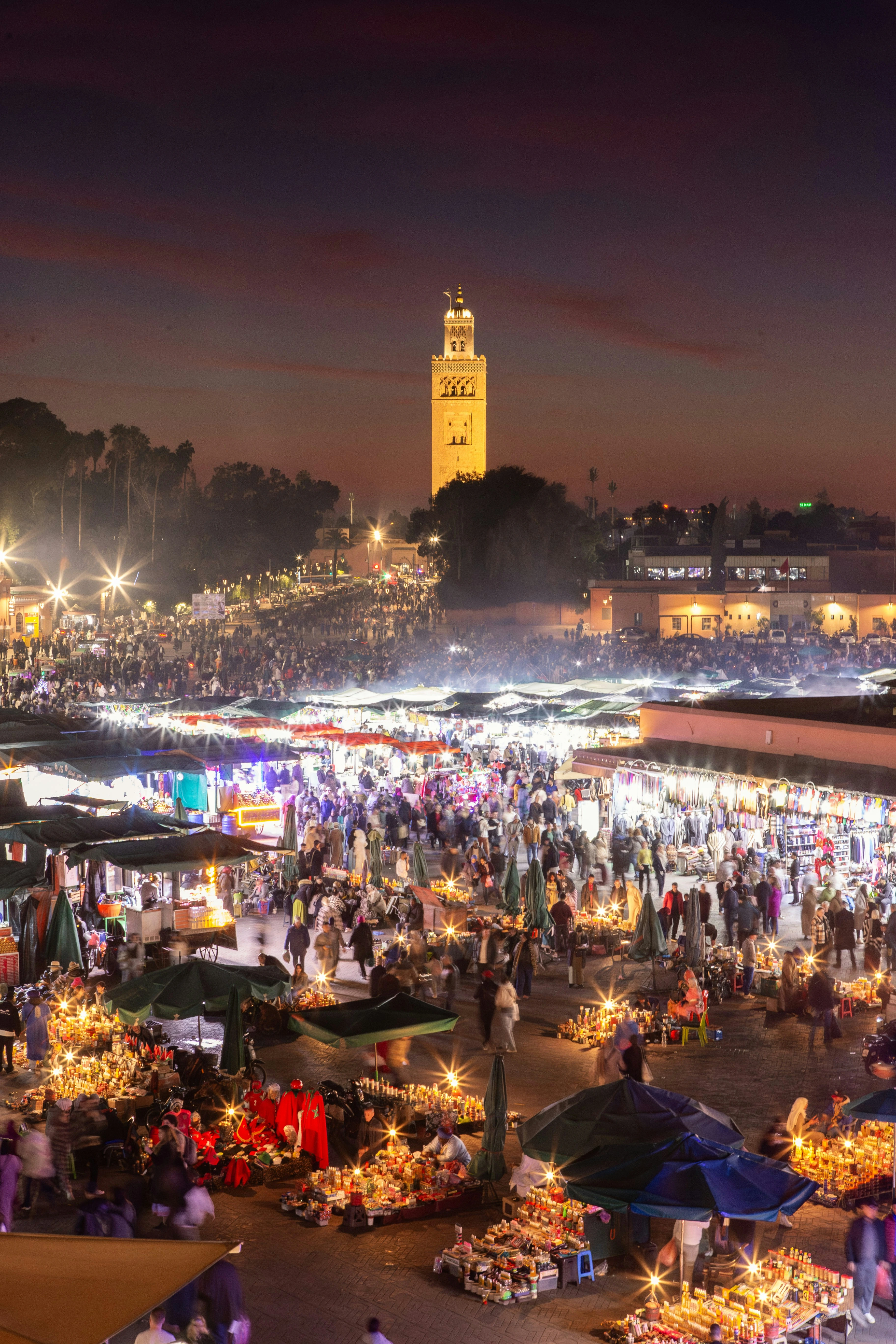
A night market in Marrakech, an evening museum in Sofia, a wildlife drive in Kenya, a sleeper train from Brussels to Milan, an aurora hunt in Finnish Lapland and a walk beneath a genuinely dark sky may seem completely unrelated. What connects them is that the experience depends on the night in some way.
This is important because noctourism is sometimes reduced to stargazing or the Northern Lights. Those are certainly some of its most visible examples, but they are only part of the picture.
Nighttime tourism has been studied for years as part of the wider tourism economy of cities. Researchers have looked at how cultural attractions, restaurants, public spaces, events and transport can create a different visitor experience after sunset, and how extending activity beyond daytime hours can affect local economies and visitor flows.
The more recent interest in noctourism adds another layer: the night is not simply a convenient time for tourism. It can change the character of the experience itself. That difference is worth understanding. A museum at noon and a museum at 9 p.m. may contain exactly the same objects. But the atmosphere around the visit can be completely different. A train journey during the day can be a way of getting from one city to another. A sleeper train turns the same distance into part of the experience. And a forest that looks familiar during daylight may reveal an entirely different ecosystem once the sun disappears.
Noctourism is therefore less about adding more activities to a holiday and more about changing our idea of when a destination is alive.
The City You Know During The Day May Not Be The Same City At Night
One of the easiest ways to understand noctourism is to spend an evening somewhere you already know.
Take Sofia, for example. The city has its daytime landmarks, museums, shopping streets and busy central areas. But on the annual European Night of Museums, the cultural map changes. In 2026, more than 70 museums, galleries and cultural spaces in Sofia took part in the event, with special public transport routes organised to connect the main venues. The National Archaeological Museum, for example, remained open from 6 p.m. until 11:30 p.m.
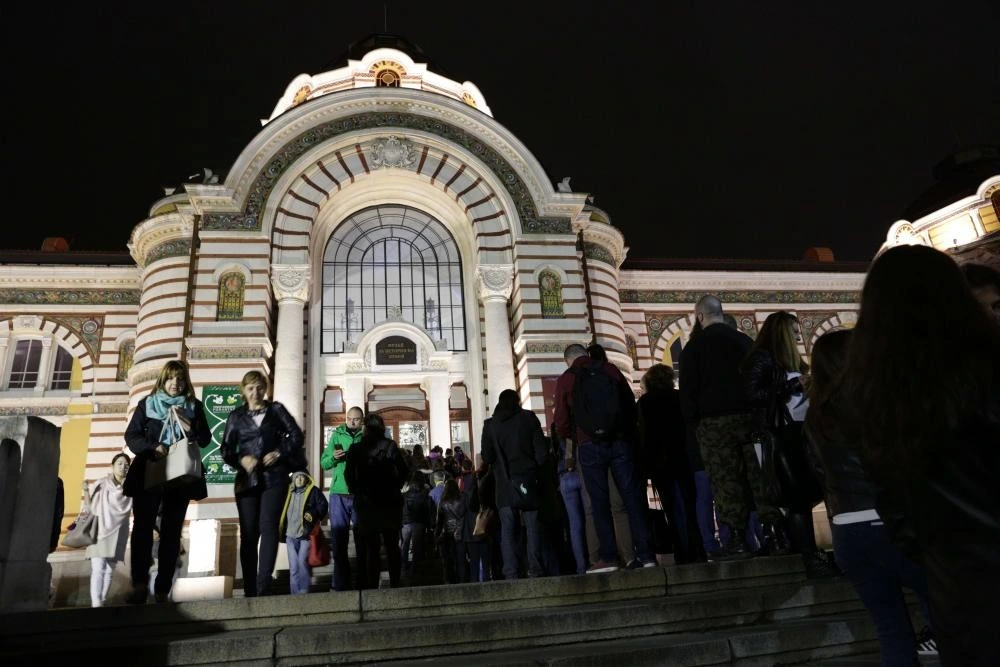
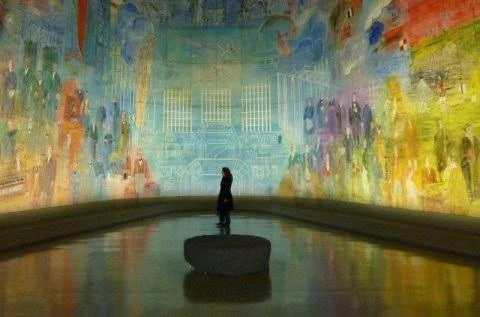
This is not a new idea — The European Night of Museums began in France in 2005, with Bulgarian museums joining the initiative from its early editions — but it is a useful example of what happens when a city temporarily changes its cultural timetable. Instead of trying to see everything during normal opening hours, visitors move through the city after dark, using public transport and discovering institutions that might otherwise be closed for the evening.
The interesting part is not simply that museums stay open late. It is that the city becomes the connection between them. The walk from one exhibition to another becomes part of the evening. Streets that might normally be used simply to get somewhere become part of the experience. Restaurants and cafés can also benefit from longer evening activity. Public transport becomes part of the cultural infrastructure.
Noctourism Is Not The Same As Nightlife
There is an important distinction here. Nightlife is centred around social and entertainment activity after dark. Noctourism can include nightlife, but it does not depend on it. You do not have to go to a club, drink until the early morning or stay out until sunrise.
The night can be quiet. It can be cultural. It can be natural. It can even be a form of transport.
A late museum opening, an evening food market, a guided architectural walk, a concert, a night train, a wildlife observation, a moonlit hike or a dark-sky experience all belong to the wider idea. This makes noctourism particularly interesting for travellers who are not looking for a traditional nightlife scene.
It also creates opportunities for destinations that have never been particularly strong in nightlife. A small town with a dark sky, a historic railway connection, an evening cultural programme or a local tradition associated with the night can offer something that does not depend on having bars and clubs. In that sense, noctourism can be much more inclusive than the term initially suggests.
Why The Day Is Becoming Less Comfortable
One of the strongest forces behind the growth of nighttime travel is not a new attraction. It is the changing climate.
In parts of Europe and other warm destinations, summer sightseeing increasingly has to take account of extreme heat. The traditional assumption that the middle of the day is the best time to explore is becoming less convincing when temperatures make walking, waiting in queues and spending hours outdoors uncomfortable or potentially dangerous.
The response does not always have to be moving to a cooler country. Sometimes it means moving the activity. A historic centre that is difficult to walk through at 2 p.m. may be much more enjoyable at 8 p.m. An outdoor archaeological site may be more pleasant in the evening. A restaurant terrace becomes useful once the temperature drops. A city that feels overheated during the afternoon can become surprisingly comfortable after sunset.
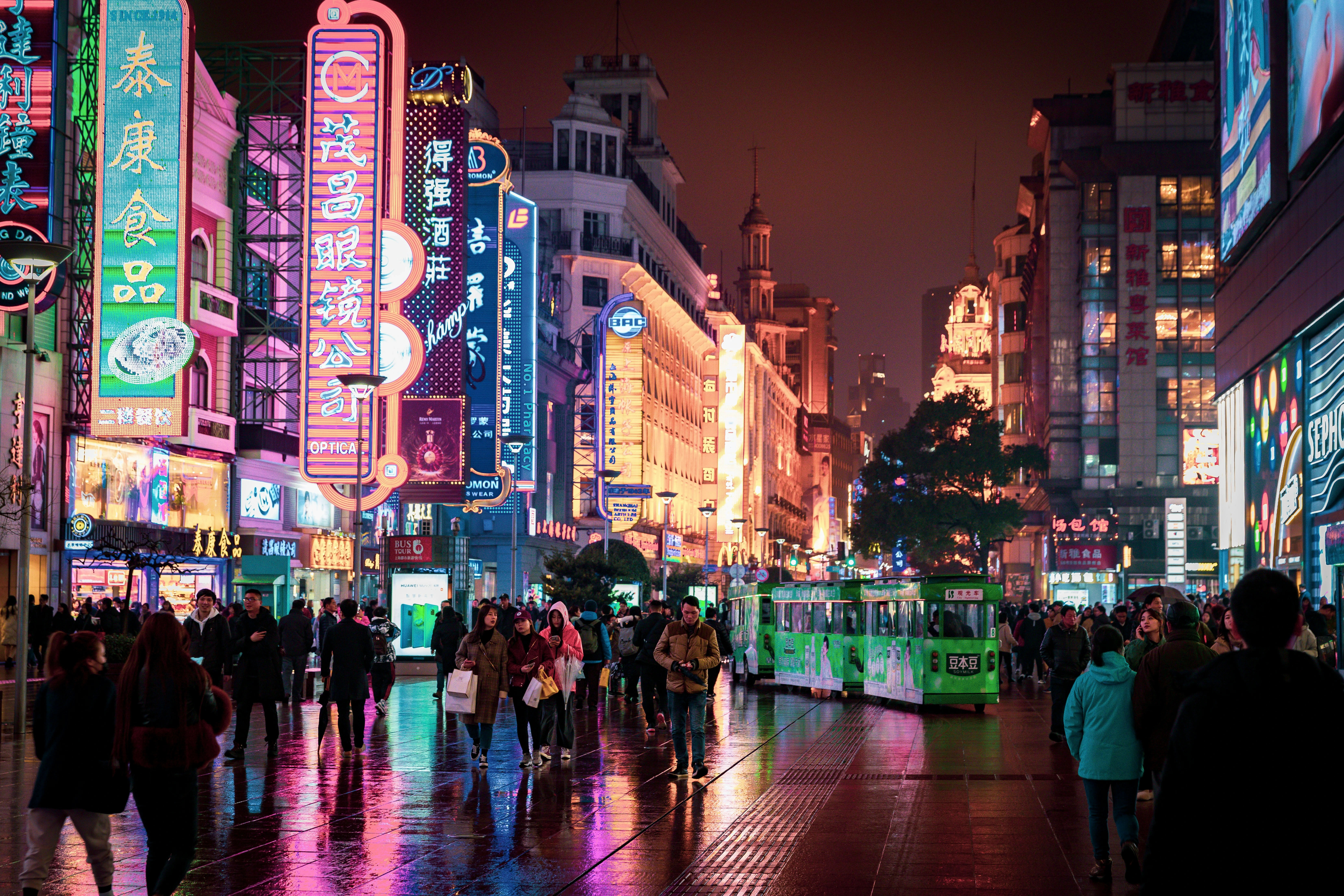
During the summer of 2025, Chinese media reported a rise in nighttime tourism as travellers sought to escape intense daytime heat. In places such as Zhangjiajie, some visitors were arriving later in the day and staying into the evening. Local authorities and attractions have responded by extending evening programmes and creating illuminated experiences.
But the example also shows the problem. Adding lights and entertainment is one way to make an attraction usable after dark. It is not necessarily the most sustainable way. That distinction becomes increasingly important as noctourism grows.
Can Night Tourism Help With Overtourism?
Potentially — but not automatically. Tourism pressure is usually discussed in terms of places: a crowded city, a busy beach, an overwhelmed historic centre.
But there is also a time problem. If almost everyone arrives at the same attraction between 10 a.m. and 4 p.m., the destination experiences a very concentrated wave of visitors. Extending opening hours or creating genuinely worthwhile evening experiences can spread some activity across a longer period.
This is one of the reasons tourism researchers have been interested in the nighttime economy for years. Longer opening hours and evening cultural programmes can encourage visitors to stay longer and distribute activity beyond the traditional daytime window. But there is a very important limit. If noctourism simply means more tourists for more hours, it is not a solution to overtourism.
A destination that was overcrowded during the day and becomes overcrowded again at night has not solved its problem. It has created a 24-hour tourist destination. That may be good for revenue, but it is not automatically good for residents, wildlife or the environment. The more interesting opportunity is to use the evening differently.
Instead of sending everyone back to the same famous landmark, destinations can support smaller cultural venues, local businesses, neighbourhood experiences and public spaces that already have a legitimate role in the community. The goal should not be to keep tourists busy around the clock. It should be to spread activity more thoughtfully.
A Good Example Is Not Always A Famous Attraction
One of the things I find most interesting about noctourism is how easily it can move attention away from the standard sightseeing list. During the day, the hierarchy of a destination is usually obvious. Maybe a famous monument or a famous museum, or a viewpoint… The street everyone photographs.
After dark, that hierarchy becomes less rigid. A small concert may become more memorable than another landmark. A neighbourhood restaurant may tell you more about the place than a tourist menu in the centre. A quiet walk along a river may give you a better sense of the city than rushing between three attractions.
This is not because the famous places are suddenly unimportant. It is because the night gives travellers another way to encounter a destination. And that can matter for sustainability. If tourism spending is concentrated around a small number of famous attractions, the economic benefits of tourism can also become concentrated. Encouraging visitors to discover locally run evening experiences can potentially spread some of that spending more widely.
But this only works when the experience is genuinely connected to the local community. Turning every residential neighbourhood into a “secret night spot” is not responsible tourism.
The Most Interesting Night Tourism May Be About Darkness
There is another side of noctourism that is becoming increasingly valuable: the experience of not seeing very much at all. That sounds strange in an industry built around sightseeing. But artificial light has made natural darkness increasingly rare.
DarkSky International estimates that 99% of the world’s population lives under some level of light-polluted night sky, while 90% of people in Europe and North America live in places where the Milky Way can no longer be seen. As a result, darkness itself has become something people travel to find. This is where noctourism overlaps with astrotourism and Dark Sky tourism. And the difference is important.
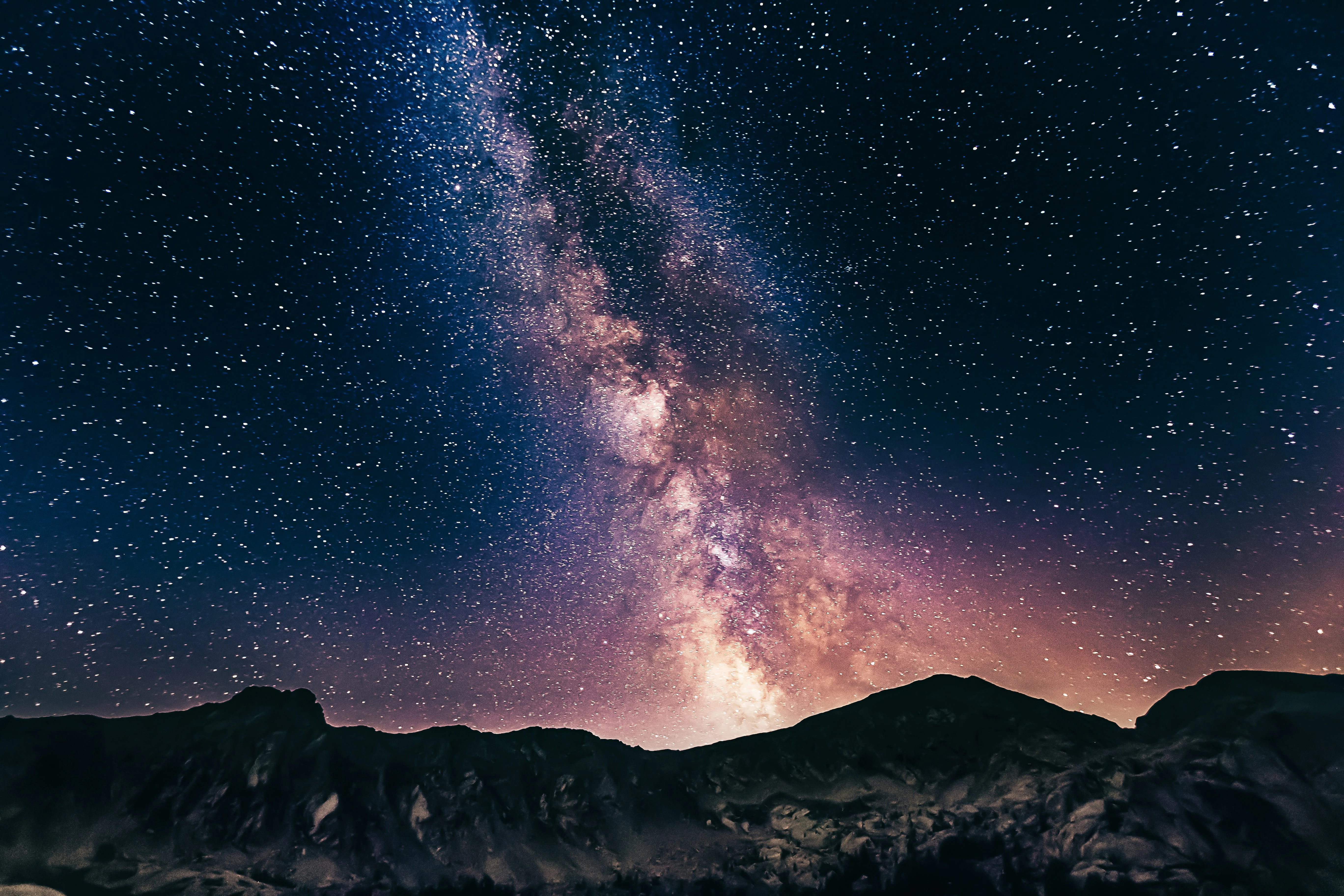
Astrotourism is primarily about experiencing the night sky and astronomical phenomena. Dark Sky tourism is broader and can include night walks, wildlife observation and other experiences that depend on naturally dark environments. DarkSky International now has more than 270 International Dark Sky Places worldwide and has developed specific principles for responsible astrotourism.
The organisation’s guidance is particularly relevant to the sustainability conversation. It recommends lighting that is purposeful, targeted, low-level, controlled and warm-coloured, while also emphasising protection of wildlife, respect for residents and meaningful economic benefits for local communities.
In other words, responsible noctourism is not about making the night brighter. It is often about allowing the night to remain dark.
Amsterdam Has Created An Interesting Urban Example
A particularly good example is not in a remote desert or mountain range. It is in the centre of Amsterdam. In October 2025, ARTIS Park became the first zoo in the world and the first place in the heart of a European capital to receive DarkSky International’s Urban Night Sky Place certification. The recognition is connected to ARTIS’s efforts to protect darkness and the importance of natural day-night cycles for the animals in its care.
This is a much more interesting example of noctourism than simply offering an evening light show. ARTIS Amsterdam Royal Zoo is essentially saying that darkness has value. The park sits in the centre of Amsterdam, yet it has created an urban space where the night can remain genuinely dark. That matters for the animals, but it also changes how people experience the place.
The Night Is Also When Nature Becomes More Visible
For humans, darkness can feel like a reduction in visibility. For many species, it is the opposite. The night is when their world begins. Bats leave their roosts. Many insects become active. Owls hunt. Some mammals that are difficult to observe during the day become more visible. Ecological relationships that remain largely invisible to daytime visitors continue throughout the night.
DarkSky International notes that 69% of mammals are nocturnal, which is one reason protecting natural darkness matters far beyond astronomy. Artificial light can interfere with wildlife behaviour and natural cycles. This creates an opportunity for responsible wildlife tourism.
A well-managed night walk can teach visitors about species they would never encounter during a conventional daytime excursion. But this is also an area where tourism needs particularly strong boundaries. Wild animals should not be treated as performers. A guide using appropriate techniques and following local rules can help visitors observe nocturnal species without disturbing them. Flash photography, bright lights, feeding, touching or chasing animals can turn an educational experience into a harmful one.
The best night wildlife experience is not necessarily the one where you see the most animals. It may be the one that allows you to see them without changing their behaviour.
Finland Shows How Different The Night Can Be
Few destinations demonstrate the variety of nighttime travel better than Finland. In northern Finland, the night can mean darkness, stars and the Northern Lights. Visit Finland also highlights experiences built around quiet wilderness, dark skies and minimal artificial lighting. The common thread is that the experience works with the natural environment rather than trying to overpower it. The organisation also points out that darkness and distance from artificial light matter alongside latitude.
There are now numerous small-scale experiences built around this natural environment, from guided night-sky tours to quiet wilderness experiences.
One example listed by Visit Finland takes travellers to a remote coastal or bog environment with little light pollution, where the experience is deliberately centred on darkness and silence rather than a large entertainment programme.
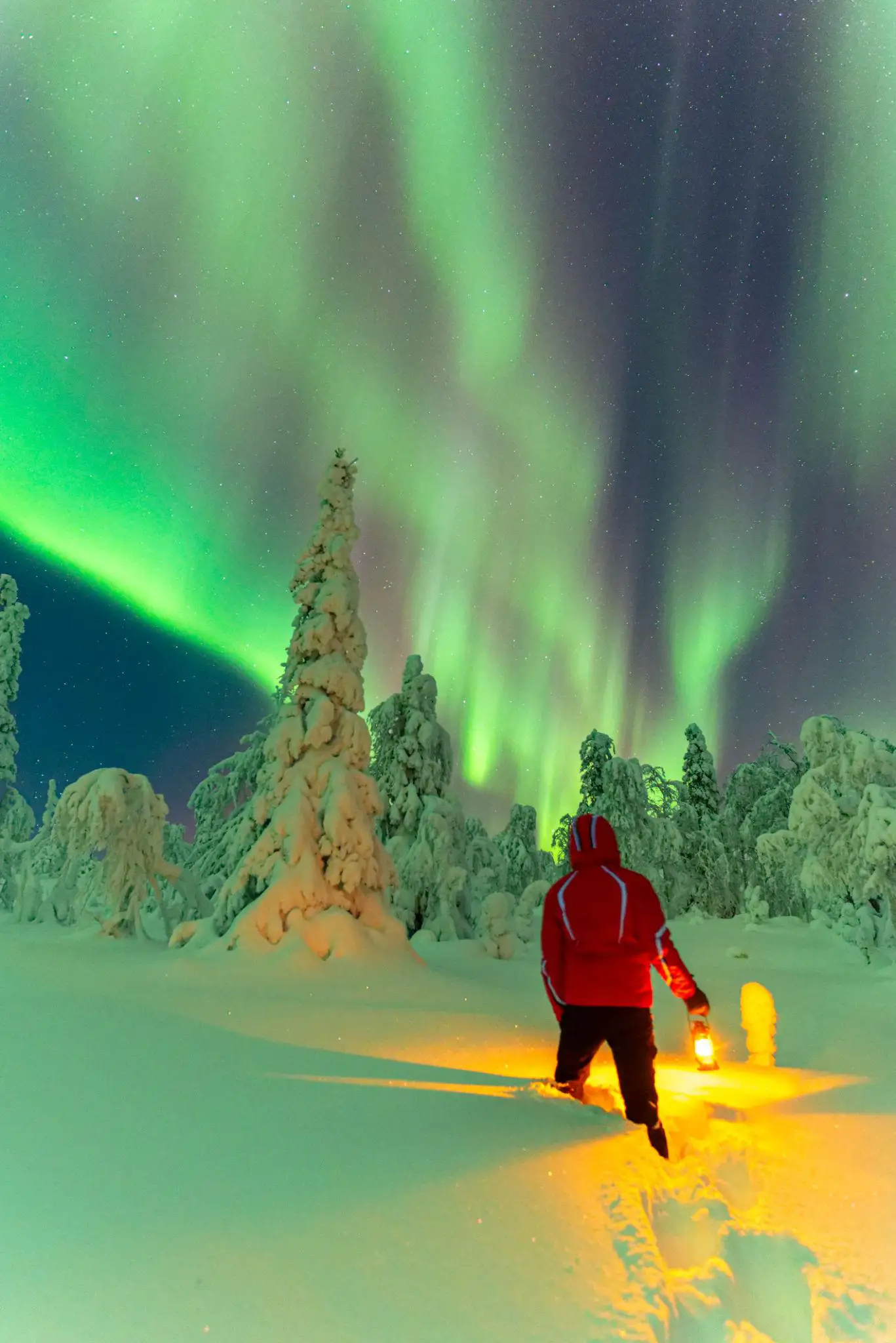
Another takes visitors into a dark forest for a moonlit walk, with the option to keep artificial lanterns to a minimum so that the natural night remains part of the experience.
These examples are interesting because they do not try to compete with the night. They work with it.
And Then There Are The Nights When The Sun Does Not Set
Finland also demonstrates why “night tourism” does not necessarily mean darkness.
During the summer, northern Finland experiences the Midnight Sun, when the sun remains above the horizon for extended periods. North of the Arctic Circle, the sun does not set at all for part of the summer. Even Helsinki experiences very bright summer nights.
This creates another type of nighttime experience: the nightless night.
People can hike, swim, take boat trips and spend time outdoors late into what would normally be considered nighttime.
It is the idea that the conventional boundaries between “daytime sightseeing” and “nighttime” are becoming less important. Sometimes the attraction is the darkness. Sometimes it is the light. The point is that the night becomes part of the destination.
Night Trains Turn The Journey Into The Experience
Noctourism can also begin before you reach your destination.
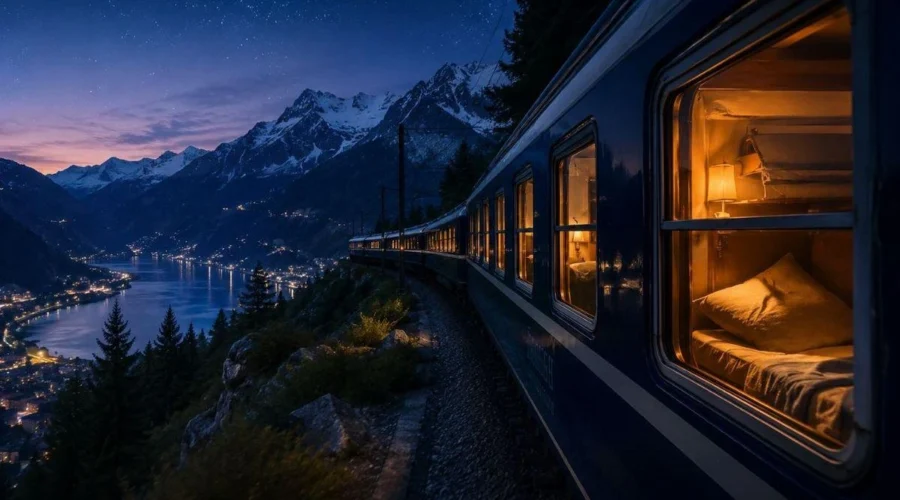
Europe’s sleeper-train network is developing again, giving travellers more opportunities to travel while they sleep rather than spending another day in transit.
European Sleeper currently operates three overnight routes: Paris–Berlin, Brussels–Prague and Brussels–Milan. The Brussels–Milan service launches on September 9, 2026, operating three times a week in each direction and adding destinations such as Zürich and Como to the network.
This is more than a romantic revival of old-fashioned train travel. A sleeper train changes the structure of a trip. Take a train instead of a plane where the route makes sense. And there is something else about it. You do not spend the night waiting for the journey to finish. The journey is the night.
Noctourism Can Also Be About Waiting
This may be one of the less obvious reasons the trend feels different. Many nighttime experiences require patience.
You cannot schedule the Northern Lights with the same certainty as a museum visit. You cannot guarantee that wildlife will appear on cue. You cannot make the Milky Way visible by simply buying a ticket.
You have to wait. That can be frustrating for a traveller accustomed to itineraries where every hour has been planned. But it can also change the relationship we have with travel. At a dark-sky location, you might spend an hour doing almost nothing while waiting for the sky to clear.
On a wildlife walk, you may hear an animal without seeing it. On a sleeper train, the landscape disappears outside the window and there is nothing left to photograph.
These experiences remove some of the pressure to constantly consume the destination. They ask you to pay attention instead.
The Problem With Turning The Night Into Another Attraction
This is where I think the sustainability discussion around noctourism needs to be more honest. There is a temptation to see the night as the next untapped tourism market. More evening attractions. More illuminated monuments. More light festivals. More night markets. More entertainment. More hotel experiences. More tourists staying out later.
From an economic perspective, this can look attractive. From an environmental perspective, it can become complicated very quickly. Artificial lighting uses energy. Poorly designed lighting contributes to light pollution. Bright or poorly directed light can affect wildlife. Increased nighttime activity can create noise and disturbance for residents. And if a destination simply encourages more visitors to stay longer, it may increase pressure rather than reduce it.
The US National Park Service, for example, describes artificial light as a disruption to natural day-night cycles and notes impacts on wildlife behaviour, reproduction and predator-prey relationships.
DarkSky’s lighting guidance goes further by recommending that outdoor light be limited to what is actually needed and that blue-rich light be minimised, particularly around sensitive ecological and astronomical areas.
So the question should not be: How can we make more tourism happen at night?
A better question is: What kinds of tourism are appropriate for the night? That is a much more sustainable starting point.
What Responsible Noctourism Could Look Like
There is no universal checklist because every destination is different. But some principles make sense almost everywhere.
If an experience depends on natural darkness, protect the darkness. If it takes place in a residential area, respect the people who live there. If it involves wildlife, the welfare of the animals should matter more than the quality of the photograph.
And if an evening experience can use existing infrastructure rather than requiring a new attraction to be built, that is worth considering.
The European Night of Museums is a good example of this. Instead of constructing a new tourism product, museums and galleries use existing cultural infrastructure at a different time. In Sofia, the 2026 programme even included dedicated public transport routes connecting participating venues.
That is a very different model from creating a huge illuminated attraction solely to bring visitors after dark.
The same principle applies to local businesses. An existing restaurant, bakery, market or cultural venue does not need to become “eco” because tourists have discovered it. It already forms part of the local economy. Noctourism can simply help travellers notice it.
What To Look For When Choosing A Night Experience
If you want to include noctourism in your next trip, I would start by asking a few questions before booking anything.
Is the experience genuinely connected to the place?
A night market with local vendors is different from a tourist-only entertainment complex designed to look local.
Does it depend on artificial light?
If the attraction is built around darkness or stars, excessive lighting is obviously a contradiction.
How does it treat wildlife?
Look for operators that explain their approach rather than simply promising close encounters.
How does it affect residents?
An evening experience in a cultural venue is very different from a large event taking place in a residential neighbourhood every night.
Can you reach it without unnecessary transport?
An experience that requires a long transfer simply to spend one hour looking at an illuminated building may not make much sense from a sustainability perspective.
Who benefits financially?
Where possible, look for locally owned businesses and operators. These questions do not make travel complicated. They simply make us a little more conscious of what we are supporting.
Maybe The Best Night Experience Is The One That Changes Nothing
There is a strange contradiction at the centre of noctourism. We are travelling to discover something that already exists. The night. We do not need to build it. We do not need to illuminate it. We do not need to make it louder.
We do not need to turn every quiet place into an attraction.
Sometimes the most valuable thing a destination can offer after dark is something remarkably simple: a walk through a historic city when the temperature has dropped, a local meal that lasts longer than planned, a train leaving the station while the city lights disappear behind you, or a dark sky where the stars are visible without a filter.
That kind of travel does not necessarily require more consumption. It can actually ask for less. Less rushing. Less checking boxes. Less moving from one attraction to another. More connection with the place.
That is where noctourism becomes particularly interesting for sustainable travel. Not because travelling at night is automatically sustainable. It is not. But because changing the timing of travel can sometimes change the way we travel. And that is a much more useful idea.
What Noctourism Could Mean For The Future
The rise of noctourism is happening at an interesting moment for travel. Destinations are dealing with hotter summers, crowded peak periods and growing pressure to make tourism work better for residents as well as visitors. At the same time, travellers are becoming more interested in experiences that feel less predictable and less tied to the standard sightseeing schedule.
The night sits directly in the middle of all of these changes. It can offer cooler hours in hot destinations. It can create opportunities for cultural venues to operate differently. It can support businesses outside traditional daytime hours. It can encourage travel to places where the night sky itself is protected. And in some cases, it can help distribute visitors across a longer period.
But none of this happens automatically. The future of noctourism should not be a world where every city is brightly illuminated until sunrise and every natural attraction becomes a nighttime spectacle. That would simply create another version of mass tourism. A better future would be more selective.
Some museums stay open later. Some neighbourhoods remain quiet. Some landscapes remain dark. Some wildlife experiences operate under strict limits. Some rail journeys happen while we sleep. And some places are valued precisely because they have resisted the urge to light everything. That is a future of night travel that feels much more interesting to me. Because the night does not need to compete with the day. It offers something different.
Travelling After Dark, Without Losing The Night
Perhaps the most important question is not whether noctourism will become a bigger travel trend. It probably will.
The more interesting question is what we choose to do with it.
We can turn the night into another product, another checklist and another reason to consume more. Or we can use it to slow down. We can explore a city when the heat has faded and the streets have changed character. We can take a train instead of a plane where the route makes sense. We can support a local place that happens to come alive in the evening. We can sit beneath a dark sky without trying to photograph every second of it. We can learn that some animals need the darkness more than we need the experience.
And we can begin to see darkness not as an empty space between two days, but as part of the environment we are travelling through. That may be the real promise of noctourism.
Not that we will travel more at night. But that we will become more aware of what happens when the day ends.
Perhaps the next time you plan a trip, the question does not have to be only where you want to go.
It can also be: What does this place become after sunset?
And, perhaps more importantly: Can I experience it without taking away what makes the night special in the first place?
That is where responsible noctourism begins.