
Discover green travel: KindScore tells you the impact of any travel experience
Understanding tourism’s impact on the planet, animals and people is vital, but difficult. KindScore makes it easier
For the first time, anyone can quickly see the positive and negative effects of any travel experience on the planet, animals and people, anywhere in the world. This article explores KindScore, a new tool for anyone wanting to find green travel experiences. It examines why finding sustainable tourism experiences is complex, KindScore’s unique method for tackling that complexity and why this matters so much to the future of travel.
Author: Adam & Bella, Be TravelKind
TrUsMileWay is a one-stop sustainable travel platform offering resources for conscious, meaningful journeys, including green travel technology. TrUsMileWay recently discovered KindScore and this article will introduce you to the essential green travel tech of tomorrow.
Truly green travel experiences can be hard to find
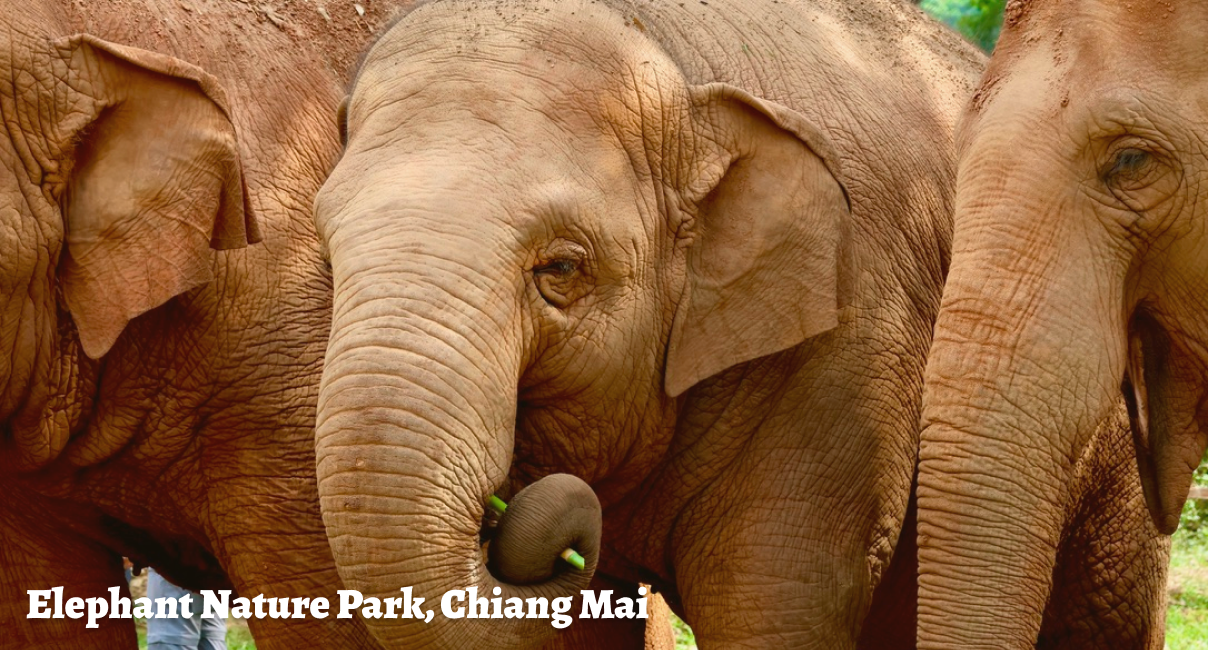
When the creators of KindScore, Adam and Bella, visited Elephant Nature Park in Chiang Mai, they were overjoyed to see that the elephants are genuinely respected and well cared for. But that’s when they learned how poor the animal welfare standards are in many other elephant attractions – with forced riding, feeding and performances – all while calling themselves “sanctuaries”.
Many of us want to have a positive impact when we travel. We want to protect the environment, respect wildlife and give back to local communities. Unfortunately, tourism is often unsustainable, and worse still, operators chase our good intentions by branding themselves as “ethical” or “sustainable”. Often these words are nothing more than greenwashing; operators using eco-friendly marketing while making no real effort to do good. In fact, tourism accounts for over 8% of global emissions, and that’s growing every year.
That doesn’t mean travel needs to stop, or that it can’t be a force for good. It means that finding green travel experiences – those that reduce the harm to, or even benefit, the environment, wildlife and local communities – is more important now than it’s ever been.
Researching experiences can be time-consuming and overwhelming, especially when you aren’t sure what to look out for. There’s often competing claims online and some operators even receive welfare or eco-accreditations while continuing unethical practices.
How KindScore helps
For the first time, travellers can now see a clear, fact-based breakdown of any tourism experience anywhere in the world, with KindScore from Be TravelKind.
Informed by the GSTC Tour Operator Standard, KindScore searches the internet for publicly-available information about any tourism experience, scouring the operator’s site, news articles, blog posts, accreditation bodies, review sites and more. The impact is then shown as a clear set of “Good” and “Concern” points, plus other facts that are “Worth Knowing” if their impact couldn’t be determined. This gives the experience an impact score for Planet, Animals and People, plus an overall impact score, so you can easily see who’s running truly green travel experiences.

Already, KindScore has helped travellers make better choices. A marine biologist recently used it to find a seal-watching tour in the Netherlands that drifts to reduce noise and fuel usage, and visits a different location to the other operators to avoid overcrowding.
Kinder tourism for the planet, animals and people
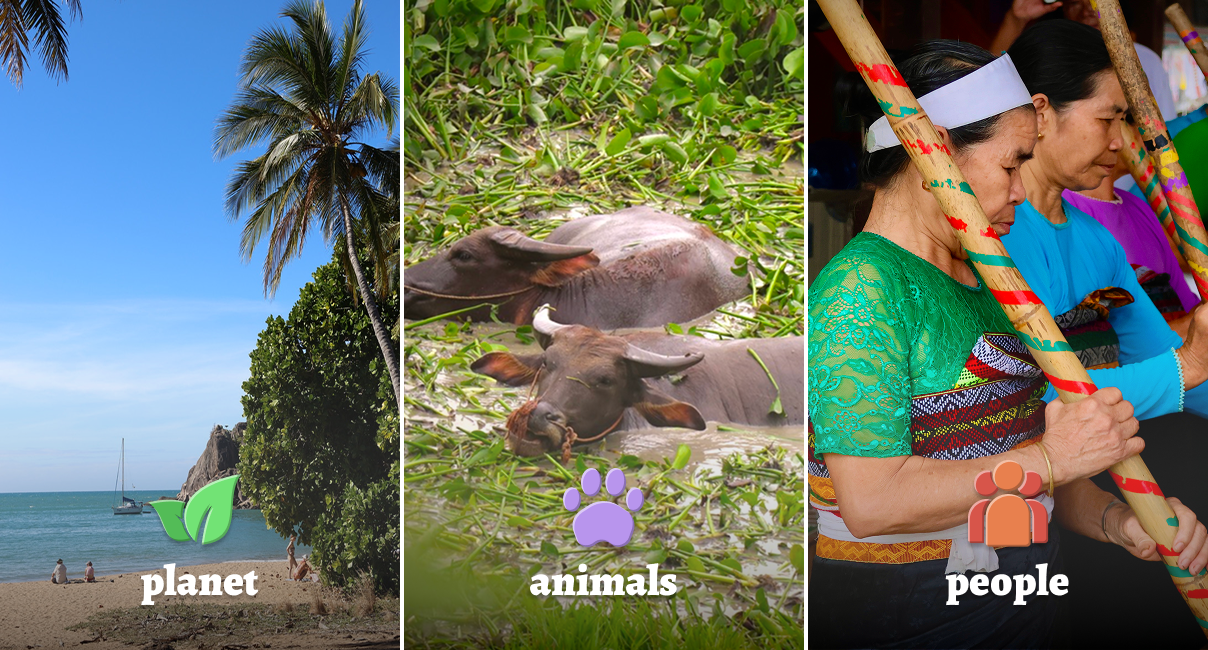
KindScore focuses on the impact that an experience has across 3 different aspects – Planet, Animals and People – and each fact on a rating impacts one of these aspects.
Planet – how travel affects the natural environment at large. Positive impact here is about reducing fuel consumption and emissions, cutting down single-use plastics and backing restoration and conservation projects.
Animals – any animals directly involved in, or affected by, an experience. Benefits to animals in tourism can include ensuring high welfare standards for those animals in captivity, protecting wild animals from disturbance in their natural habitats and educating people to have greater respect for the incredible wildlife they see.
People – describes the effect on local communities and workers where a tourism experience operates. Positive impact for people means fair working conditions, keeping tourism income in the local economy and protecting cultural heritage.
Any traveller, anywhere, can access it for free
BeTravelKind.com is the first platform that can provide a sustainability impact estimate for any experience in the world.
There are other sites out there doing amazing work in connecting with operators, gaining a deep understanding of their impact, and helping them to be found. The problem is, with almost a million travel experience operators in the world, it’s impossible to interview every single one. Some operators might not be totally honest when self-reporting their impact. Also, few sites highlight the bad operators – the ones who are greenwashing, or who let their accreditations cover up their cruel practices. Busch Gardens Tampa Bay is an example of an operator with a welfare accreditation (AZA) while elephants are dying in their care, and proves that accreditation alone isn’t enough to guarantee high standards.
KindScore works on a global scale. The process is fully automated and takes less than 30 seconds to provide a full rating for any experience with an online presence. This means you can now find the green travel experiences near you, wherever you may be.
A major goal of KindScore is to minimise bias. It doesn’t rely solely on what the operator has to say about themselves, or on any one individual’s report. By searching the web for all relevant information about an experience, and using a wide variety of sources, as well as assigning a trust level to those sources, KindScore presents the clearest overall picture of an experience’s impact.
KindScore is a free online tool that anybody can use, from travellers seeking to make kinder choices, to operators themselves who want to understand how their impact shows up across the web. As a fully interactive web app, it doesn’t even require a phone – just any way to access the internet is enough.
Sustainable travel is critically important to a sustainable and fair future, and shouldn’t be limited to those with more money or opportunities. Some sustainability credentials and rating systems charge a high fee or subscription, which makes them inaccessible to smaller operators who may have just as much of a positive impact.
The technology behind green travel choices
Finding sustainable travel experiences is a complex, modern issue in need of a modern solution.
Nowadays, a huge number of travellers are turning to AI tools like ChatGPT to find, research and even book their next adventure. While convenient, this can mean everyone’s getting the same generic itinerary, the same overcrowded “tourist traps”, and that operator claims about sustainability are being taken at face value.
The Be TravelKind founders recognise the potential of AI technologies to be used for greater benefit, and believe it can be a force for good when used responsibly.
KindScore’s method is to search the web to find the most relevant and trustworthy sources about an experience. An efficient AI process then reads these sources in depth, looking for any evidence of the experience’s impact on people, animals and planet. The facts are compiled and scored by how much impact they have, and how trustworthy their source is. These scores then add up to the overall ratings.
The creators of KindScore are also conscious of the downsides of AI when used irresponsibly, and measure their use to ensure it stays efficient and low-impact. Learn more on their “Our View On AI” page.
Every fact that’s shown in a KindScore rating includes the source it was found from, to encourage further reading and ensure the information can be trusted. There’s also an “Explain” feature that tells you why a fact has an impact.

More than an experience rating tool
Understanding the impact of an individual travel experience is useful, but often you want to know what alternatives exist, particularly if the rating is poor.
KindScore has a “Suggest Alternatives” feature that will try to find nearby alternatives that offer a similar experience in a kinder way, helping you make better choices easily.
The founders, Adam and Bella, also have big plans to expand the tool into a full green travel discovery platform. This uses the existing ratings to build up a database of green travel experiences across the world, that anyone can search to find their next positive-impact adventure. On top of this, they plan to enable booking experiences directly from the platform, helping connect travellers to their green experiences even more easily. Follow @be_TravelKind on Instagram or sign up to KindScore and the mailing list at betravelkind.com to be the first to know when these features arrive.

A kinder future needs travellers making informed choices
Climate change is the most important issue of our time, and tourism is a significant contributor. If it were a country, tourism would be the 3rd-largest polluter behind China and the United States. Furthermore, emissions from tourism are on track to double every 20 years unless something changes.
On the other hand, travel can have a huge positive impact for destinations around the world. It can boost local economies, fund wildlife conservation efforts and increase awareness of global issues.
This means that the world needs to rapidly move towards making travel sustainable and have a positive-impact, so that there’s still a world worth seeing for future generations. This is why it’s so important that travellers are equipped with the right tools to choose travel experiences that benefit the places they visit.
The future of sustainable travel will be determined by the choices travellers make, and the tools that help them make those choices.