
Green Edinburgh Guide: Heartwarming Trails, Food & Views
A Personal, Practical Guide to Sustainable Travel in Scotland’s Most Beautiful City
Green Edinburgh guide for conscious travellers who want heartwarming walks, local food, and big views without a heavy footprint. Written by David who was born and raised in Edinburgh, this practical itinerary shares the best trails, eco friendly attractions, sustainable dining, and easy ways to get around on foot, by bus, or by bike.
Author: David Pritchard

I was born and raised in Edinburgh, but life has a way of leading you somewhere unexpected. For the past seven years, my wife, daughter, and I have been living in a small village in Bulgaria. But Edinburgh? It will always be home. And what strikes me most when I return is how the city is evolving. It’s not just beautiful; it’s becoming genuinely committed to sustainability in ways that matter.
If you’re already planning a trip to Edinburgh, this is my personal, practical guide to doing it responsibly — where to walk, what to see, how to get around, and the greener places worth your time. But if Edinburgh isn’t even on your list yet, I hope this article nudges it there.
Because as someone who grew up here and has lived elsewhere, I can tell you: Edinburgh is a city every conscious traveler should experience at least once. It’s one of those rare cities where you can do a lot on foot and still feel close to nature. It’s where history breathes, nature thrives in the heart of the city, and sustainability feels less like a trend and more like home.
My Favourite Eco-Friendly Places in Edinburgh
Tranquillity in the Heart of the City: Royal Botanic Garden Edinburgh
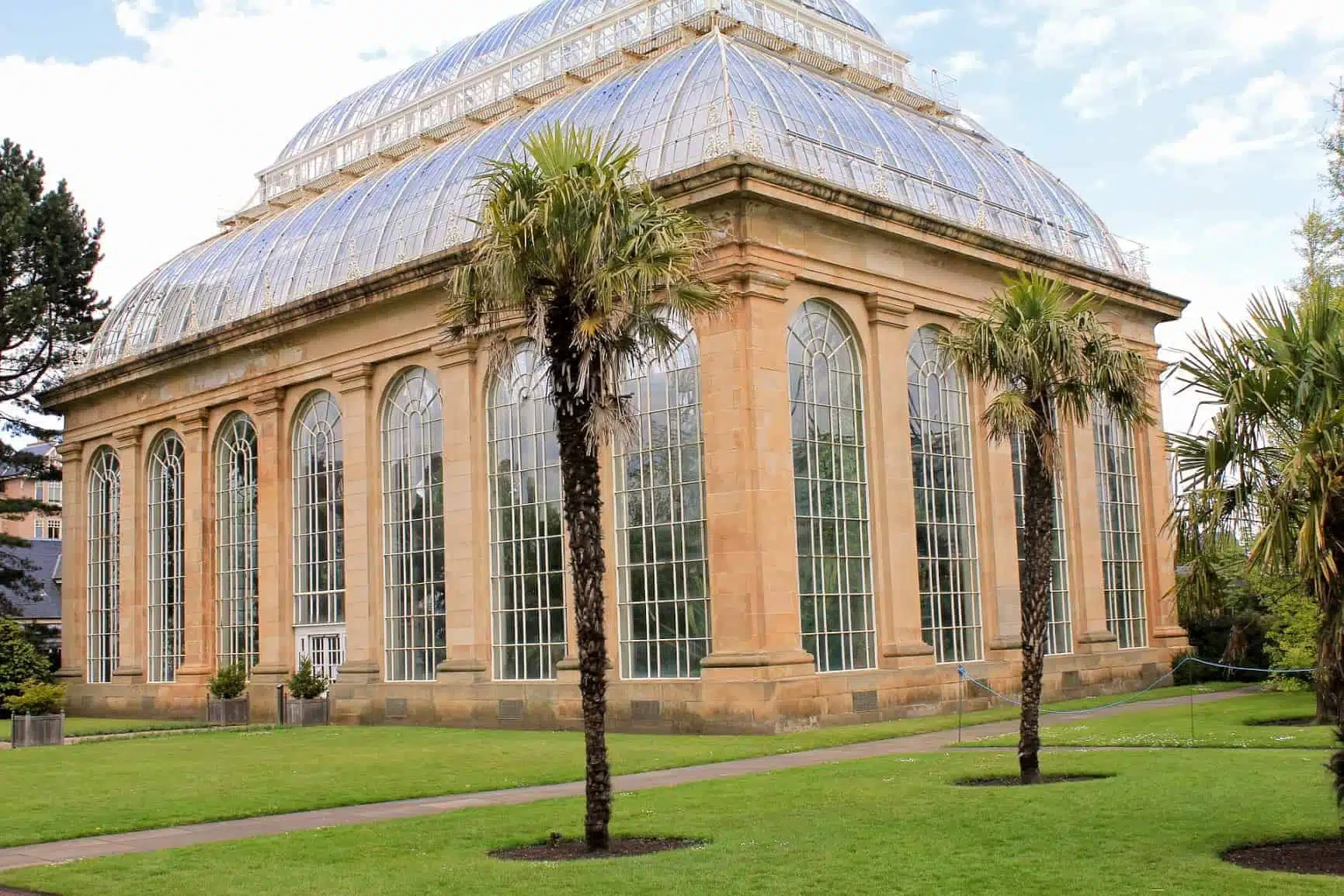
Edinburgh is a city that effortlessly blends dramatic landscapes, rich history, and a growing commitment to sustainability. As someone who knows the city well, these are the places I return to time and again — spaces that showcase Edinburgh at its most beautiful, welcoming, and environmentally conscious.
Royal Botanic Garden Edinburgh is a place I can visit at any time of year and never tire of it. Its 70 acres of expansive green spaces, carefully curated gardens, and peaceful atmosphere offer a welcome escape from city life. Whether in spring bloom or winter stillness, the gardens invite slow walks, quiet reflection, and a deeper appreciation of nature.
What I love most is that you can easily spend half a day here without feeling rushed. The gardens are free to enter (though donations are welcome), and there’s something humbling about walking among plants from every corner of the world while being right in the middle of the city.


Practical tips: The garden is accessible via bus (Lothian Buses runs sustainable routes), and there’s a café on-site serving locally sourced food. If you’re staying nearby, the Stockbridge area has several eco-conscious guesthouses and small hotels within walking distance. The best time to visit is early morning or late afternoon when it’s quieter.
Nearby sustainable dining: The Pantry Café (farm-to-table), Locanda de Guido (Italian, locally sourced ingredients), and several independent coffee shops dot the surrounding streets.
Coastal Walks and Engineering Wonders: South Queensferry and Cramond

I often head to South Queensferry, home to the iconic Forth Bridge, spanning the Firth of Forth. This UNESCO-listed structure is a true marvel of engineering and a powerful symbol of Scotland’s industrial heritage. The walk along the waterfront is stunning, and you can easily combine it with a visit to Inchcolm Island (accessible by ferry) to explore the historic abbey and spot seals and seabirds.
Just a short distance away lies Cramond Beach, where a 2.4km promenade stretches along the shoreline. It’s perfect for walking, cycling, or rollerblading, with open views towards Cramond Island and the Kingdom of Fife. The Cramond Foreshore Walk is one of Edinburgh’s most underrated trails — it winds along the River Almond and finishes at the historic Cramond Brig, a 16th-century bridge that feels like stepping back in time.

Getting there sustainably: The journey from Edinburgh city centre takes about 20-30 minutes by bus (№43 or №44). Cycling is also brilliant — there’s a dedicated cycle path most of the way, and you can rent bikes from several shops in the city centre.
What to do: Walk the full Cramond to Silverknowes loop (about 5km), spot wading birds and herons, explore the old Roman fort ruins, or simply sit on the beach with a packed lunch. The water is cold but beautiful, and locals often swim here year-round.
Eco-friendly accommodation nearby: Cramond has a few small guesthouses, but I’d recommend staying in nearby Stockbridge or Leith (both have excellent public transport links) where you’ll find more sustainable boutique hotels and independent B&Bs.
Nature, History, and Breathtaking Views: Holyrood Park and Arthur’s Seat

One of my absolute favourites is Holyrood Park, dominated by Arthur’s Seat, an ancient extinct volcano rising above the city. The walk to the summit takes about 45 minutes to an hour, and yes, it’s steep in places, but the panoramic views from the top are nothing short of breathtaking. On a clear day, you can see all the way to the Pentland Hills and across to Fife.
Within the park, two small lochs — Duddingston Loch and St Margaret’s Loch — provide peaceful walking routes that feel far removed from the urban centre. Duddingston Loch is particularly special; it’s a nature reserve and bird sanctuary where you might spot herons, grebes, and even otters if you’re lucky and quiet.


Best time to visit: Early morning or late afternoon. The park gets busy with tourists and joggers during midday, but if you go at quieter times, you’ll have a much more immersive experience.
Walking routes: The main path up Arthur’s Seat is well-marked, but there are gentler alternatives. The Radical Road (a scenic path around the eastern side of the park) offers stunning views without the steep climb. The walk around Duddingston Loch is flat and perfect for families or anyone wanting a slower pace.
Nearby: In the heart of Edinburgh, beside Princes Street Gardens, stands the striking Scott Monument, dedicated to Sir Walter Scott. Visitors can climb to the top and enjoy superb views of Edinburgh Castle while celebrating one of Scotland’s greatest literary figures. It’s a bit touristy, but worth it for the views.


Eco-Friendly Attractions and Cultural Discovery
Edinburgh is increasingly proud of its eco-friendly attractions. Close to Holyrood Park is Dynamic Earth, an immersive scientific venue that takes visitors on a journey from the Big Bang to the present day. Interactive exhibits and a spectacular 360-degree dome cinema bring the story of our planet vividly to life. What I appreciate is that the venue is genuinely educational about climate change and environmental challenges — not preachy, just honest.

A short walk from the Royal Mile, the National Museum of Scotland celebrates Scotland’s rich history through engaging exhibits on science, technology, art, and culture. The building itself is architecturally stunning, and admission is free. You could easily spend a full day here.
Across the city, the National Galleries of Scotland offer world-class collections, all free to visit. The Scottish National Gallery and the Scottish National Gallery of Modern Art are both worth your time, and the Modern Art gallery is set in beautiful grounds with walking paths.
Sustainable tip: All three of these attractions are accessible by public transport, and Edinburgh’s bus network is extensive and affordable. If you’re planning multiple visits, grab a Ridacard (weekly or monthly pass) for better value.
Wildlife, Conservation, and Education: Edinburgh Zoo
Another standout attraction is Edinburgh Zoo, home to over 1,000 animals from around the world. Beyond being a popular visitor destination, the zoo plays a vital role in conservation, participating in international breeding programmes and wildlife research initiatives.
The zoo also encourages local biodiversity through wildlife gardens, bug hotels, and bird boxes, while educating visitors on environmental issues through fun and engaging activities for all ages. The giant pandas (if still there during your visit) are iconic, but honestly, I’m more moved by the smaller conservation efforts — the breeding programmes for endangered species, the work with local wildlife.


Getting there: Bus №12 or №36 from the city centre (about 15-20 minutes). The zoo is on a hillside, so wear comfortable walking shoes.
Timing: Go early in the day when animals are more active. Allow at least 3-4 hours to see everything without rushing.
Hidden Gems: Lesser-Known Sustainable Spots
Water of Leith Walkway
This is one of Edinburgh’s best-kept secrets. The Water of Leith Walkway is a 12-mile path that winds through the city, following a river from the Pentland Hills all the way to the coast at Leith. You don’t have to walk the whole thing — just pick a section.
My favourite stretch is from Dean Village to Stockbridge. It’s urban but feels surprisingly wild, with overhanging trees, bird life, and the gentle sound of water. You’ll pass old mills, historic bridges, and small parks. It’s the kind of walk where you forget you’re in a city.
Best for: A peaceful morning walk, spotting kingfishers and herons, avoiding crowds.
Practical: The path is mostly flat and well-maintained. Wear waterproof shoes if it’s been rainy.
Pentland Hills: Day Hikes with Real Views
Just 20 minutes south of the city centre, the Pentland Hills offer serious hiking without the tourist crowds. Scald Law, Carnethy, and Allermuir are all accessible peaks with stunning views back towards Edinburgh and across the Borders.
These walks are more challenging than Arthur’s Seat, but they feel wilder and more rewarding. You’re genuinely in the hills here, not just from a city viewpoint.
Getting there: Bus №4 or №15 to Swanston, then walk from there. Or drive and park at one of the car parks (though I’d recommend public transport if possible).
Blackford Hill
Another underrated spot. It’s smaller than Arthur’s Seat but offers equally good views, and it’s far less crowded. There’s also an observatory at the top (the Royal Observatory Edinburgh) if you want to combine walking with stargazing.
Best for: Sunset walks, avoiding crowds, a quick escape from the city.
Sustainable Dining and Local Food Culture
Edinburgh’s food scene has changed dramatically. There’s a real push towards local, seasonal, and sustainable eating.
Farm-to-table restaurants: The Pantry (Stockbridge), Locanda de Guido, and Timberyard all focus on seasonal Scottish ingredients and minimal waste
Farmers’ markets: The Saturday market at Castle Terrace (near the castle) is brilliant for picking up local produce, cheese, bread, and prepared foods. It’s a great way to eat sustainably while supporting local producers
Cafés with purpose: Many independent cafés now use compostable cups and source fair-trade coffee. Look for places in Leith, Stockbridge, and the New Town
Tip: If you’re self-catering (which I’d recommend for a slower, more sustainable trip), shop at local markets rather than supermarkets. It’s cheaper, fresher, and you’re supporting local farmers
Getting Around: Sustainable Transport in Edinburgh
Edinburgh’s public transport is decent, but here’s what actually works:
Buses: Lothian Buses runs most services. A day ticket is around £4.50, and a weekly Ridacard is about £20. Buses are frequent and reliable, though they can get busy during peak times
Cycling: Edinburgh is increasingly bike-friendly. There are dedicated cycle paths, and bike rental shops are scattered throughout the city. The journey from the city centre to Cramond or the Pentlands is very doable by bike
Walking: Honestly, this is the best way to experience Edinburgh. The city is compact enough that you can walk from the Royal Mile to Holyrood Park to Princes Street in about 30 minutes. Walking forces you to slow down and notice things
Avoid: Renting a car unless you’re planning to explore the Highlands or coastal areas outside the city. Parking is expensive, and you’ll miss the experience of moving through the city at a human pace
When to Visit: Seasonal Considerations
Spring (April-May): The gardens are in full bloom, the weather is mild, and it’s not yet the peak tourist season. This is my favourite time to visit.
Summer (June-August): Beautiful but busy. The Festival takes over the city, which is amazing if you’re into theatre and music, but accommodation gets pricey and crowded.
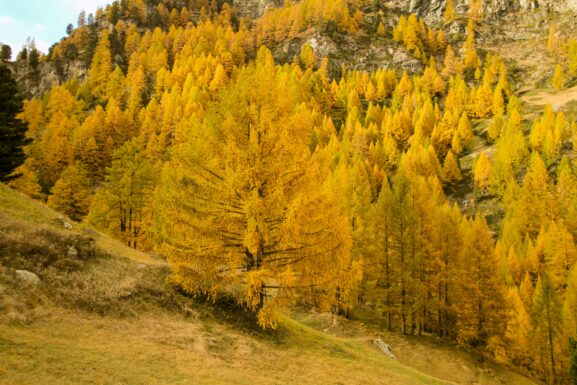
Autumn (September-October): The light is gorgeous, the weather is still decent, and the summer crowds have gone. The Pentlands are particularly beautiful with autumn colours.
Winter (November-February): Cold and grey, but quieter. The Christmas markets are lovely, and there’s something atmospheric about Edinburgh in winter. Plus, accommodation is cheaper.
A City Worth Exploring at Your Own Pace
Edinburgh is a city rich in green spaces, dramatic landscapes, and thoughtful, modern attractions. Whether you’re drawn to nature, history, culture, or sustainability, there is something here for everyone.
The key is to slow down. Skip the bus tours and the packed attractions. Instead, walk the Water of Leith at dawn, sit by Duddingston Loch and watch the birds, climb Arthur’s Seat at sunset, or spend an afternoon in the Botanic Garden doing absolutely nothing.
Come and experience Edinburgh for yourself — a city that honours its past while looking confidently towards a greener future. It’s a place where sustainability is woven into the fabric of how people live, move, and eat.


Edinburgh Invites You to Breathe
Edinburgh is a city that rewards those who take the time to explore it at a gentler pace. From its sweeping parks and coastal paths to its world-class cultural institutions and eco-conscious attractions, the Scottish capital offers a rare balance between nature, history, and modern responsibility.
Whether standing atop Arthur’s Seat watching the light change across the city, wandering along the River Forth spotting herons and seals, discovering stories within its museums and galleries, or simply sitting in the Botanic Garden with a cup of locally roasted coffee, Edinburgh invites visitors not just to see it, but to truly experience it.
It is a city that breathes, evolves, and welcomes — leaving a lasting impression long after the visit has ended. And if you’re someone who cares about how you travel, where you stay, and what impact you leave behind, Edinburgh gets it. You’ll feel it in the pace, the parks, and the little everyday choices.