
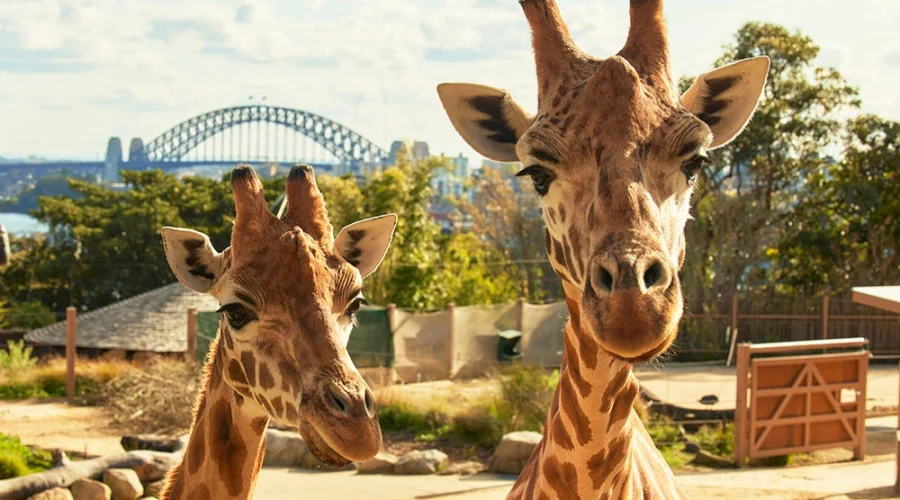
Taronga Conservation Society: Where Every Visit Funds Wildlife Protection
Discover How Two Iconic Australian Zoos Are Redefining Sustainable Tourism Through Conservation, Education, and Measurable Environmental Action
Taronga Conservation Society Australia operates two of the country’s most recognised wildlife destinations: Taronga Zoo Sydney and Taronga Western Plains Zoo Dubbo. But what sets Taronga apart isn’t just the animals or the visitor experiences — it’s how they’re structured. As a not-for-profit organisation, every dollar from your ticket, tour, or overnight stay goes directly back into conservation, research, animal welfare, and wildlife rehabilitation. For conscious travellers, that transparency matters. This article explores what Taronga does, how they measure their sustainability commitments, and why visiting here means your trip actively supports wildlife protection.
Author: Emily Carter
In collaboration with: Taronga Conservation Society Australia

What Taronga Really Is
For 100 years, Taronga Conservation Society has been more than a place to see animals. It’s evolved into a conservation and education hub — one that actively secures a shared future for wildlife and people. Operating two flagship locations — Taronga Zoo in Sydney and Taronga Western Plains Zoo in Dubbo — the organisation leads in conservation, research, education, and environmental sustainability across NSW, Australia, and globally.
A Ticket With The Power To Protect
Taronga operates differently from commercial zoos. Revenue generated through visitor experiences, accommodation, and education programs helps fund conservation, research, animal welfare, and wildlife rehabilitation. That means your visit isn’t just a day out — it’s part of the funding model that keeps wildlife hospitals running, supports field projects, and strengthens long-term protection work. For conscious travellers, this is what makes the experience feel credible: the impact isn’t a side campaign — it’s built into how Taronga operates, and it’s easy to understand where your money goes.

Education as Conservation Action
The Amphibian and Reptile Conservation Centre (ARC) exemplifies this philosophy. Opened recently, ARC showcases over 42 species of amphibians and reptiles from Australia and globally. But it’s not just a viewing space — it’s designed around education and engagement.
Five interactive characters, known as the Climate Heroes, guide visitors through a climate-focused journey. By making the connection between individual actions and environmental impact tangible, ARC transforms a zoo visit into a lesson in personal agency. Visitors leave understanding that their choices matter, and that understanding often translates into action.

Two Decades of Certified Commitment
Taronga’s 20-year partnership with Ecotourism Australia’s certification programme culminated in 2024 with Hall of Fame recognition — a milestone that reflects two decades of embedding sustainability into daily operations. The certification serves as a trusted benchmark, proving that Taronga doesn’t just claim sustainability; it demonstrates it through action.
In today’s world, claiming to be sustainable is no longer enough. Businesses must prove their commitment through concrete initiatives. For Taronga, the certification framework has provided a robust structure to continuously improve operations and strategic planning, ensuring that sustainability isn’t a marketing layer — it’s woven into how the organisation functions.


ECO Certification
Taronga has been awarded certification at the level of Advanced Ecotourism for operations and experiences including:
- Taronga Zoo Sydney
- Taronga Western Plains Zoo Dubbo
- Roar and Snore
- Zoofari Lodge
- Wild Ropes
This level of certification is described as recognising Australia’s leading and most innovative ecotourism products that operate with minimal environmental impact and provide educational opportunities for visitors. Certified organisations are also described as being committed to best practice — using resources wisely, helping local communities, and contributing to conservation.
The breadth of certification across day visits, accommodation, and specialty experiences suggests sustainability standards are designed to show up throughout the visitor journey — not just in one corner of the organisation.
Sustainability Is A Strategic Priority
Sustainability is positioned as a core strategic priority within the Taronga 2021–2025 Strategic Plan, with a stated focus on leading environmental sustainability and climate change action.
That matters because it places sustainability where it should be — inside the organisation’s core strategy, alongside conservation, research, and animal welfare, not as a seasonal campaign or a marketing label.
Taronga’s 2021–2025 Sustainability Strategy on a page outlines ambitious targets enabled through sustainability actions across the organisation’s divisional plans. The underlying logic is simple: wildlife protection and environmental footprint cannot be separated.
What The Sustainability Work Focuses On
Here, sustainability means managing visitor impact responsibly while supporting ongoing conservation work. That honesty is refreshing, because even well-intentioned organisations have footprints. What matters is whether they measure, manage, and reduce them.
Key focus areas include:
Sustainable energy — reducing fossil fuel and grid-based electricity consumption is highlighted as a priority, with grid electricity described as responsible for over half of the organisation’s total carbon footprint
Waste management — waste and litter work spans food waste, e-waste, general litter, plastic bottles, takeaway packaging and straws, coffee cups, balloons, plastic bags, and sauce sachets
Water management — water-saving opportunities are identified through recycling and reusing water and reducing the use of fresh water
Responsible sourcing — environmental sustainability, animal welfare, and conservation considerations are applied to food products sold and served across outlets, functions, and events
Ecologically sustainable buildings — ecologically Sustainable Design principles are incorporated into new developments, recognising that infrastructure has impacts during demolition, construction, and ongoing operations
Accessibility Meets Sustainability
Accessibility and sustainability converge in Taronga’s operational planning. An electric train will soon help guests navigate the zoo’s steepest areas — a move that signals how conservation organisations can embed green operations into the visitor experience itself. This initiative is part of a broader transition to a fully electric fleet, reinforcing Taronga’s commitment to be a diverse and inclusive site that offers an amazing experience to all guests.
It’s a small detail with big implications: when sustainability is built into infrastructure, it stops being optional and becomes the standard.
What Responsible Wildlife Tourism Should Look Like
Taronga’s approach shows what responsible wildlife tourism can look like when impact is built into the business model, not added as a message. When conservation funding, visitor education, and operational sustainability sit in the same system, the experience becomes more than entertainment — it becomes a practical way for the public to participate in protection work. For travellers who want their choices to support real outcomes, this kind of structure is the difference between “feeling good” and actually doing good.
What makes Taronga’s approach credible is that they don’t just operate day-to-day — they invest in the future. Their Wild Futures project is building state-of-the-art Wildlife Hospitals in Sydney and Dubbo, expanding rescue and rehabilitation capacity, and training the next generation of wildlife veterinarians and conservationists. This is what responsible wildlife tourism looks like: not just generating revenue, but reinvesting it into infrastructure and expertise that will protect wildlife for decades to come.


If you want to go deeper than a day visit, Taronga also offers overnight stays that are part of the same conservation funding model.
Accommodation Nestled Within Taronga Zoos
Sydney Wildlife Retreat and Roar and Snore
The Wildlife Retreat at Taronga is an elegant eco-retreat overlooking Sydney Harbour, nestled right within the zoo. It’s designed so you experience wildlife protection firsthand — the whole stay reflects their commitment to securing a shared future for wildlife and people. Roar and Snore is different — it’s a night safari where you hear the animals at night, get keeper talks, and sleep in safari-style tents with harbour views. Both are inside the zoo, and every dollar you spend saves wildlife.

Dubbo Zoofari Lodge and Savannah Cabins
Zoofari Lodge at Taronga Western Plains Zoo Dubbo gives you an African safari experience in Australia — you stay in lodges on the savannah edge where you see giraffes, ostriches, and antelope from your room. It includes guided tours, meals, bike hire, and two days of zoo entry. Savannah Cabins are simpler — self-catered family cabins right next to the zoo where you explore at your own pace, also with two days of zoo entry. Your booking helps fund the zoo’s conservation work, research, and animal welfare.

Your Visit Matters — Taronga Deserves Your Choice
For conscious travellers, Taronga offers something rare: a day out that clearly links enjoyment to real conservation outcomes. Whether you visit Sydney or Dubbo, the most important takeaway is simple — your ticket helps fund the work that protects wildlife long after you’ve gone home.
If you’re choosing experiences with impact, Taronga is worth the journey — Sydney or Dubbo, your visit funds wildlife protection.
