
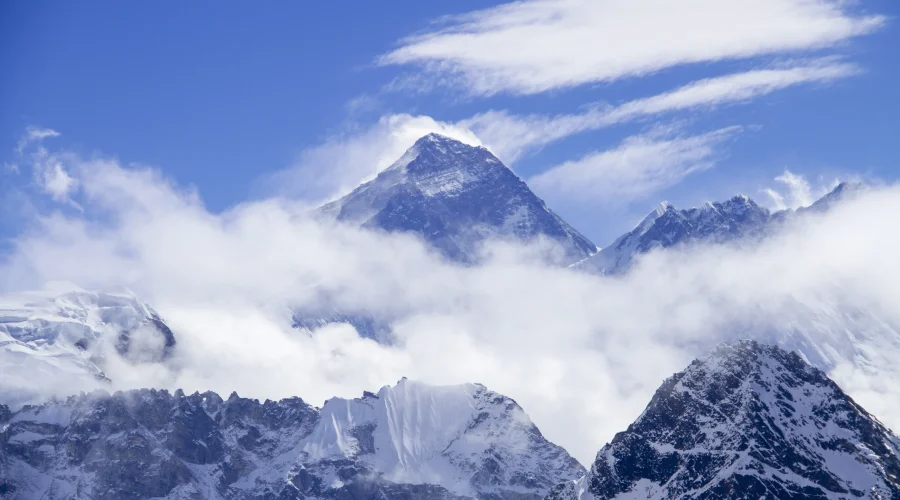
Nepal Beyond Everest: A Journey Through Culture, Conservation and Community
Discover Nepal: A Sustainable and Enriching Travel Destination
Nepal is often associated with the world’s highest mountains, but there is far more to this Himalayan nation than its famous peaks. From community-led tourism initiatives and wildlife conservation projects to ancient cultural traditions and spiritual heritage, Nepal is increasingly becoming a destination for travellers seeking meaningful experiences. This article explores how sustainable tourism is helping to protect the country’s natural and cultural treasures while creating opportunities for local communities. Whether you’re planning a trek, a wildlife adventure, or a cultural journey, Nepal offers countless ways to travel responsibly and connect more deeply with the places you visit.
Author: Devendra Shahi
Sustainable Travel in Nepal: Why This Himalayan Nation Rewards a More Mindful Way of Exploring
There are some destinations that impress you immediately. The landscapes are dramatic, the landmarks are famous, and the photographs almost take themselves. Then there are destinations that reveal themselves more slowly. Nepal belongs firmly in the second category.
Most people arrive with images already fixed in their minds: the towering peaks of the Himalayas, colourful prayer flags fluttering in the mountain wind, ancient temples, and stories of Everest. Those images are certainly real. Yet what often stays with travellers long after they return home is something less obvious. It is the quiet hospitality of a family-run tea house on a mountain trail. The conversation shared over a simple meal in a remote village. The sound of monastery bells echoing across a valley at dawn. The realization that travel can be both deeply rewarding and genuinely beneficial to the communities and landscapes that make it possible.

As global tourism continues to grapple with questions around sustainability, environmental impact, and responsible travel, Nepal stands out as a destination that has been quietly embracing these ideas for years. While challenges remain — as they do everywhere — the country has increasingly recognized that protecting its natural and cultural heritage is essential not only for future generations but also for the long-term success of its tourism industry.
For travellers seeking more than a checklist of attractions, Nepal offers something increasingly rare: the chance to slow down, look beyond the peaks, and discover the stories that make this Himalayan nation unique.
Why Nepal Continues to Captivate Travellers
Situated between India and China, Nepal occupies a relatively small area on the map. Yet within its borders lies an extraordinary range of landscapes, ecosystems, cultures, and experiences. The country is perhaps best known for the Himalayas, home to eight of the world’s fourteen highest peaks, including Mount Everest. These mountains have attracted trekkers, climbers, and adventurers for decades, helping establish Nepal as one of the world’s premier outdoor destinations.
But focusing solely on the mountains tells only part of the story. To the south, subtropical forests shelter endangered wildlife including Bengal tigers, one-horned rhinoceroses, and Asian elephants. Ancient cities preserve centuries of art, architecture, and craftsmanship. Sacred pilgrimage sites draw visitors from across the globe, while hundreds of villages continue traditions and ways of life that have evolved over generations.
This remarkable diversity means that Nepal can feel like several countries combined into one.
A single journey might include wandering through the medieval squares of Kathmandu, hiking through alpine forests in the Annapurna region, spotting wildlife in Chitwan National Park, and experiencing the spiritual atmosphere of Lumbini, the birthplace of Buddha.
Yet what connects these varied experiences is a strong sense of place. Nepal rarely feels manufactured for tourism. Much of what visitors encounter remains closely tied to local culture, daily life, and community traditions.
That authenticity is increasingly valuable in a world where many destinations struggle to balance tourism growth with cultural preservation.

Nepal’s Growing Commitment to Sustainable Tourism
The conversation around sustainable tourism has changed significantly over the past decade.
Travellers are becoming more conscious of where their money goes, how tourism affects local communities, and what impact their journeys have on fragile environments. Destinations, meanwhile, are looking for ways to welcome visitors while protecting the very resources that attract them.
Nepal finds itself at the centre of many of these conversations.
Climate change has had visible effects across the Himalayas, with glaciers retreating and weather patterns becoming less predictable. At the same time, increased visitor numbers create pressures on infrastructure, waste management systems, and natural habitats. Rather than ignoring these realities, many organisations, local communities, conservation groups, and tourism operators have embraced more sustainable approaches.
More and more, tourism in Nepal is becoming about finding a balance between welcoming visitors and preserving the places, cultures, and communities that make the country unique. For visitors, this means it is increasingly possible to explore Nepal in ways that contribute positively to the country rather than simply consuming its attractions.
Community-Based Tourism: Travel That Benefits Local People
One of the most encouraging developments in Nepal’s tourism sector has been the growth of community-based tourism. In many regions, particularly outside major cities, local communities have developed tourism initiatives that allow visitors to experience daily life while ensuring that economic benefits remain within the community. This approach creates a very different travel experience.
Rather than staying exclusively in large hotels, visitors may choose family-run guesthouses, village homestays, or locally owned lodges. Meals are often prepared using ingredients grown nearby. Guides come from the surrounding communities and share insights that go far beyond standard sightseeing commentary. The benefits extend both ways.
Travellers gain a more authentic understanding of Nepal’s diverse cultures and traditions, while local families generate income that supports education, healthcare, and community development.
For travellers looking to discover locally rooted experiences and gain deeper insight into Nepal’s culture, heritage, and communities, resources such as Presenting Nepal offer valuable insights into the country’s diverse destinations, living traditions, and community experiences. These perspectives can help visitors explore Nepal in a way that is both enriching and respectful of local culture.


Perhaps more importantly, community tourism helps create incentives for preserving cultural heritage. When traditions, crafts, architecture, and local knowledge are valued by visitors, communities have greater reason to protect them for future generations.
In many parts of Nepal, tourism is no longer simply about attracting more visitors. It is increasingly about ensuring that tourism creates lasting value for the people who call these places home.
Trekking in Nepal: Protecting the World’s Most Famous Mountain Trails
Few travel experiences capture the imagination quite like trekking in Nepal. Routes such as the Everest Base Camp Trek, Annapurna Circuit, Annapurna Base Camp Trek, and Langtang Valley Trek have become icons of global adventure travel. Yet the popularity of these routes brings responsibility.
Mountain ecosystems are particularly sensitive to environmental pressures. Waste management, water use, trail erosion, and increasing visitor numbers all present ongoing challenges.
Recognizing this, numerous initiatives have emerged to encourage more responsible trekking practices.
Organizations such as the Kathmandu Environmental Education Project (KEEP) have spent years promoting environmentally responsible trekking and educating both visitors and local communities about sustainable tourism practices. Many trekking regions have introduced waste management programs, recycling initiatives, and campaigns aimed at reducing single-use plastics.
Local tea houses increasingly rely on solar energy, water filtration systems, and environmentally conscious operating practices.
The Annapurna Region: A Model for Sustainable Mountain Tourism
Among Nepal’s trekking destinations, the Annapurna region is often cited as one of the country’s strongest examples of sustainable tourism in action. The Annapurna Conservation Area Project (ACAP), established in 1986, has long been regarded as a pioneering conservation initiative. It combines environmental protection with community development, recognizing that conservation efforts are most successful when local people directly benefit.
Today, visitors exploring the region encounter villages where tourism supports schools, health services, infrastructure projects, and conservation programs. Many lodges source food locally, employ local staff, and actively participate in waste reduction efforts.
For travellers, the result is a trekking experience that feels connected to the communities through which they pass rather than isolated from them.
The mountains remain the headline attraction, but the human stories become equally memorable.
Wildlife Conservation and Responsible Safaris
While Nepal’s mountains often dominate travel headlines, the country’s wildlife conservation achievements deserve equal attention. Nepal has become a global conservation success story. Protected areas such as Chitwan National Park and Bardia National Park provide vital habitats for some of Asia’s most endangered species.
Conservation efforts have helped increase populations of one-horned rhinoceroses and Bengal tigers, while anti-poaching initiatives continue to protect vulnerable wildlife.
Tourism plays an important role in supporting these efforts. Park entry fees, guide services, accommodation, and related tourism activities generate revenue that contributes directly to conservation programs and local livelihoods. Responsible wildlife tourism allows visitors to witness remarkable biodiversity while supporting its protection.
Increasingly, travellers are seeking lower-impact experiences. Walking safaris, canoe excursions, birdwatching tours, and guided nature walks offer opportunities to observe wildlife without the noise and disruption associated with more intrusive tourism activities. Moving quietly through a forest with an experienced local guide creates a deeper sense of connection than simply observing wildlife from a vehicle. These experiences often prove more rewarding as well.
Lumbini and Nepal’s Spiritual Heritage
Not every journey in Nepal is defined by adventure. For many visitors, the country’s spiritual and cultural heritage becomes the most meaningful aspect of their travels. Lumbini, recognized as the birthplace of Siddhartha Gautama, the Buddha, remains one of the world’s most important pilgrimage destinations. Despite its significance, Lumbini retains a remarkably peaceful atmosphere. Monasteries representing Buddhist traditions from around the world sit among gardens, meditation spaces, and sacred sites.


Visitors can spend time exploring not only the historical importance of the area but also the contemporary practices that continue to shape Buddhist life today. Many centres emphasize simplicity, mindfulness, and sustainable living principles that align naturally with responsible travel values. In a world increasingly dominated by speed and distraction, places like Lumbini offer something different: the opportunity to slow down.
The Value of Slower Travel in Nepal
One of the most sustainable decisions travellers can make is often the simplest:
Stay longer
Move slower
See less
Experience more
Nepal rewards this approach better than almost anywhere. The temptation to rush between destinations can be strong. Yet many of the country’s most meaningful moments emerge when schedules loosen and curiosity takes over. A morning spent talking with local residents. An afternoon observing daily life in a mountain village. An unexpected festival. A quiet walk through farmland at sunset. A quiet walk through farmland at sunset. These experiences rarely appear on itineraries, yet they often become the memories that endure.
Slow travel also reduces environmental impact by encouraging longer stays and fewer transport movements while allowing visitors to contribute more meaningfully to local economies.
For many travellers, Nepal becomes not simply a destination but a reminder of how rewarding slower travel can be.
Adventure with Purpose
Adventure remains one of Nepal’s greatest attractions. From white-water rafting and mountain biking to paragliding and climbing, the country offers endless opportunities for outdoor exploration. What is encouraging is the growing number of operators integrating sustainability into their activities. Many adventure companies now participate in river clean-up campaigns, trail maintenance projects, conservation initiatives, and community support programs. This reflects a broader shift within tourism toward experiences that create positive impact alongside excitement. Travellers increasingly want to know that their adventures contribute something worthwhile to the places they visit. Nepal is proving that adventure tourism and sustainability can coexist.
Practical Tips for Sustainable Travel in Nepal
Travelling responsibly does not require perfection. It simply requires awareness. A few practical choices can significantly reduce your impact:
Carry a Refillable Water Bottle
Single-use plastics remain a challenge in many trekking regions. Refillable bottles combined with purification tablets or filtration systems can dramatically reduce waste. Make your choice here.
Support Local Businesses
Choose locally owned accommodation, restaurants, guides, and shops whenever possible. More of your spending remains within the community.
Respect Local Culture
Dress appropriately at religious sites, ask permission before photographing people, and learn basic cultural customs.
Follow Leave No Trace Principles
Dispose of waste responsibly and avoid leaving anything behind on trails or natural areas.
Travel During Shoulder Seasons
Visiting outside peak periods helps distribute tourism benefits more evenly while reducing pressure on popular destinations.
Choose Responsible Operators
Look for companies that demonstrate genuine commitments to environmental and social responsibility rather than relying solely on marketing claims.
Nepal and the Future of Sustainable Tourism
No destination is perfect. Nepal continues to face challenges related to infrastructure, environmental pressures, climate change, and tourism management. Yet what makes the country particularly compelling is the willingness of communities, conservation organizations, tourism businesses, and travellers themselves to engage with these challenges. Across the Himalayas, in national parks, in villages, and in cities, there is growing recognition that tourism should create value beyond visitor numbers.


A Destination That Gives Back as Much as It Gives
The most memorable destinations rarely reveal themselves all at once. Nepal is a place that rewards patience, curiosity, and openness. Its mountains may draw travellers in, but its communities, landscapes, wildlife, and cultural heritage are what often leave the deepest impression.
Whether you are trekking through the Annapurna region, exploring ancient temples in Kathmandu, watching rhinos emerge from riverbanks in Chitwan, or simply sharing tea with locals in a mountain village, Nepal offers opportunities to experience travel differently — not faster, not louder, not more, just more meaningfully.
For travellers seeking adventure, connection, and a more responsible way to explore the world, Nepal remains one of Asia’s most inspiring destinations.