
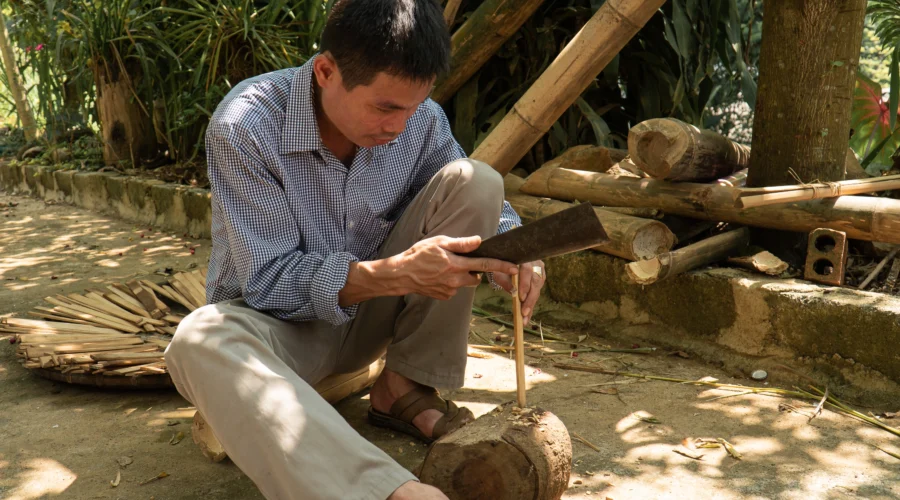
Bamboo Cutlery From Vietnam: Inside the Workshop Behind Jungle Culture’s Handmade Sets
Meet the artisans of Thanh Hóa, Vietnam, who carve every Jungle Culture fork, knife and spoon by hand
This article explores the story behind Jungle Culture’s bamboo cutlery from Vietnam. Our curated Green Gear Shop stocks their range of plastic-free essentials, and we love knowing exactly where our products come from. Here we look at why Thanh Hóa Province is such a good home for bamboo, who the artisans are and how a hand-carved set goes from bamboo stem to plastic-free pouch.
Author: Emily Carter
In collaboration with: Jungle Culture
Why the origin of your bamboo cutlery matters
Picking up a reusable cutlery set is one of the easiest swaps on the road to a plastic-free life. But “bamboo” on a label tells you very little. It doesn’t tell you where the bamboo grew, who shaped it, how they were treated or whether the product is built to last for years rather than weeks.
That’s why we pay attention to origin. The best eco-friendly products come from supply chains you can trace back to a real place and real people. For Jungle Culture’s bamboo cutlery, that place is Thanh Hóa Province in northern Vietnam, and those people are a small team of craftspeople who have worked with bamboo all their lives.
Jungle Culture was founded on a simple idea: a single piece of single-use plastic does far more damage than it seems. Around 500 million plastic straws are thrown away each year, and each one can take 200 years to break down, lingering as microplastics long after. Plastic cutlery is the same story: used for minutes, discarded for centuries.
A reusable set that you carry with you, and that was made fairly, is a very practical answer to that problem.


The story of Jungle Culture: from a single straw to a full zero waste range
Jungle Culture’s story starts with Jungle Straws, launched in August 2018 with reusable drinking straws made from bamboo, which the founders call “the lungs of the East”. Every straw is handmade at a family-run bamboo farm in northern Vietnam. The straws went on to become the best-selling bamboo straw on Amazon and the brand has partnered with names such as National Geographic, BBC Earth and TOMS.
From there the journey widened. Today, under the Jungle Culture name, you’ll find coconut bowls from the Mekong Delta, safety razors, shaving soaps, wooden cups and, of course, bamboo cutlery. The products are designed with British designers and made with Asian artisans.
The business describes itself as nomadic, with its headquarters in Britain and regular trips to partner farms, factories and workshops in Asia. Those “origin trips” are central to how they work. Rather than ordering from a catalogue, the team visits the people who make their products, sees the working conditions first-hand and builds long-term relationships with them.
In the brand’s own words, Jungle Culture is “all about human culture”, from the farmers and artisans in rural Vietnam to the shops, restaurants and customers who buy the products. That philosophy is easy to see in the cutlery story.
Thanh Hóa: the perfect home for bamboo
Jungle Culture’s bamboo cutlery is hand carved at a small carpentry studio in the rural province of Thanh Hóa, roughly 150 km from Hanoi.
The landscape here is one of the reasons the location works so well. Large parts of the province are covered in steep, rocky mountains, and the area receives around 1,800 mm of rainfall a year, more than three times the average in London. Warm, wet and mountainous: this is exactly the kind of environment in which bamboo thrives.
Bamboo is one of the fastest-growing plants on Earth, and it regrows from its own root system after harvesting, which means it doesn’t need to be replanted each time. Because it grows so abundantly in the region, local people can farm it sustainably, and many families have used it for building and handicrafts for generations.
That long local knowledge matters. Anyone can buy bamboo, but knowing which stems are mature enough to carve, how to cut without wasting material and how to shape the grain so a spoon won’t split takes years of experience. In Thanh Hóa, that experience is part of daily life.
How the partnership began
Jungle Culture first came to the region in 2018, when it sourced its bamboo straws from a farm nearby. In 2019, the team returned to meet a group of artisans who had heard about the brand’s work with small-scale Vietnamese makers and wanted to collaborate.
Those artisans live in a small enclave of bamboo bungalows surrounded by mountains. They are committed to ethical, organic production and use only basic tools to make their pieces. There are no huge factory lines here, just skilled hands, simple equipment and a deep understanding of the material.

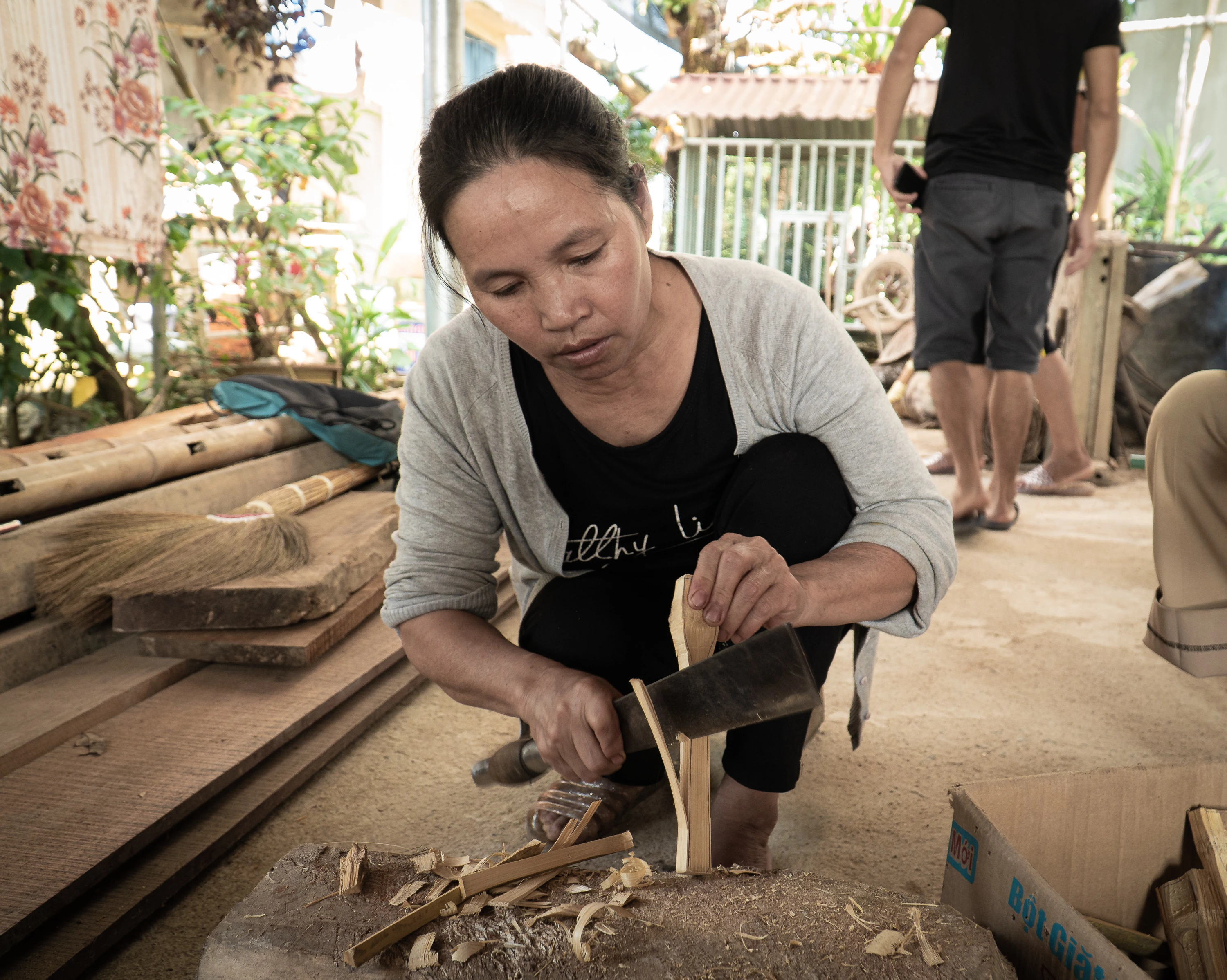
Over the following year, Jungle Culture’s design team worked closely with the artisans to develop a cutlery set that is durable, organic and designed to last a lifetime as a replacement for disposable plastic cutlery. This combination matters: the craftspeople bring the technique, and the designers help shape a set that suits modern life, light enough for a backpack, practical enough for a desk lunch.
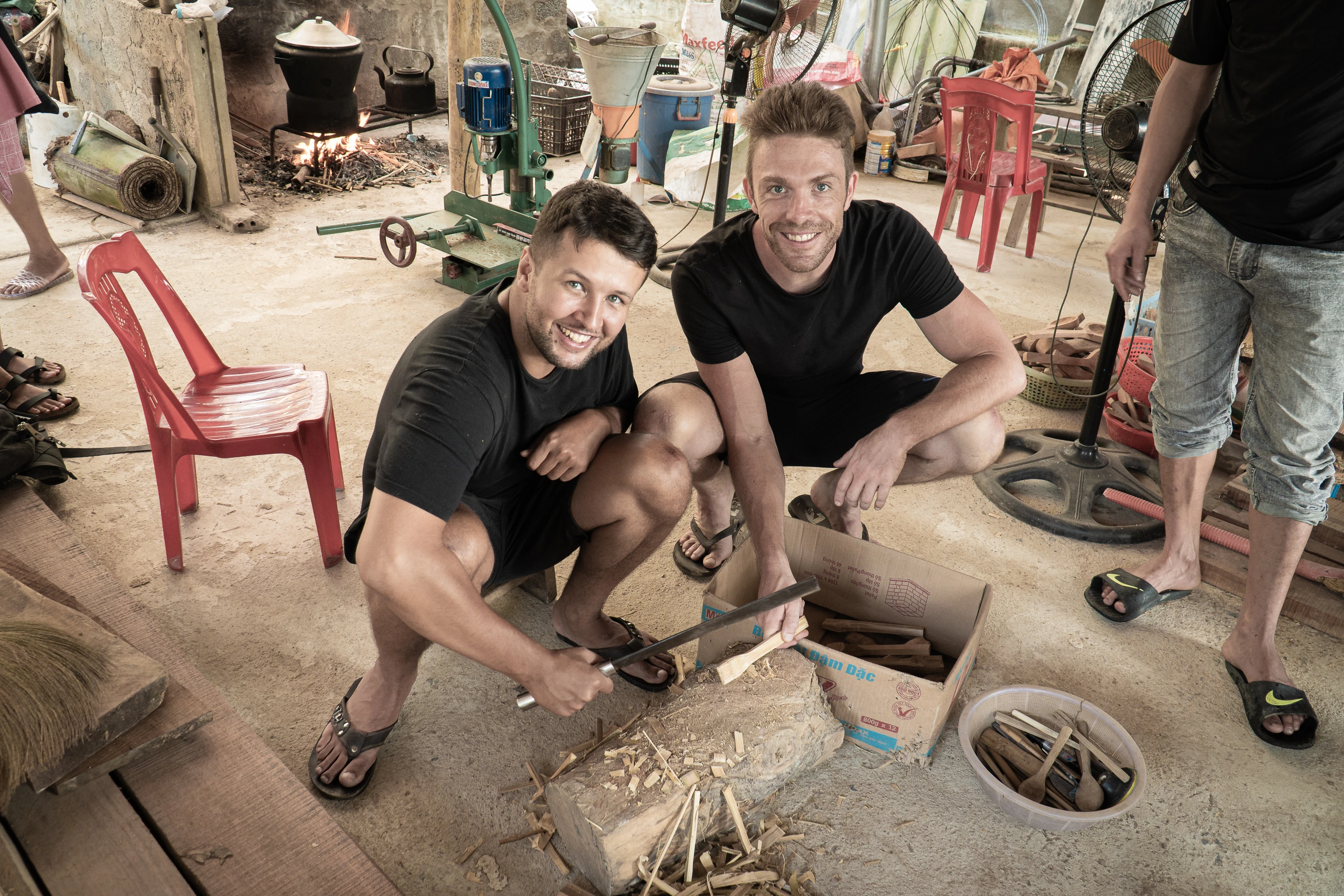
Meet the maker: Há and his team
Every craft has a face, and for this cutlery it is Há.
Há is a devoted naturist who has worked with bamboo for his entire life. He was the first to carve Jungle Culture’s cutlery sets. As the sets grew in popularity, he began to employ and train family, friends and other villagers to carve with him, passing on skills and creating jobs in a rural area where opportunities can be limited.
Today, Há has turned much of his attention to building bamboo houses, which provide accommodation for members of the local community. He still works with a team of between 5 and 10 people who carve cutlery and help with the construction of those houses.
What first drew Jungle Culture to Há’s work was simple: he treats his workers with respect and pays them fairly. For anyone who cares about ethical shopping, this is the detail that matters most. A product can be made from the greenest material in the world, but if the people who make it are not treated well, it isn’t truly sustainable.
From bamboo stem to cutlery set: how it is made
Jungle Culture doesn’t publish a step-by-step manual of the workshop, but bamboo cutlery is a well-established craft, and the process below reflects how hand-carved bamboo utensils are typically made, combined with what we know about this particular workshop: basic tools, hand carving, organic and chemical-free production.
1. Choosing and harvesting the bamboo
Everything starts with the right stem. Mature bamboo is harder, denser and less likely to crack than young shoots, so craftspeople select stems that are ready to be harvested. Because bamboo regrows from the same root system, cutting mature stems does not kill the plant, and the grove continues to grow.
2. Cutting and splitting
The long stems are cut into manageable lengths and split into rough strips or blanks, each large enough for a single fork, knife or spoon. Working with the natural grain, rather than against it, is what gives the finished utensil its strength.
3. Drying and seasoning
Freshly cut bamboo contains a lot of moisture, which is why it needs to dry before carving. Properly dried bamboo is more stable, less prone to warping and more resistant to cracking once it is in daily use. This is a slow, patient step that cannot be rushed and it is one of the quiet reasons a well-made set lasts so much longer than a cheap one.
4. Hand carving the shape
This is where the artisan’s skill really shows. Using basic tools, the craftsperson shapes each blank into its final form: the bowl of the spoon, the tines of the fork, the edge of the knife and the handle that sits comfortably in the hand. Because each piece is carved by hand, no two are exactly identical, and slight variations in colour and grain are part of the charm.
5. Smoothing and finishing
Once the shape is right, each piece is smoothed so it feels pleasant against the hands and lips, with no rough edges. Jungle Culture’s cutlery is described as organic and completely chemical-free, so the finish is about the natural feel of the bamboo rather than synthetic coatings.
6. Quality check and assembly of the set
Each utensil is checked for strength and finish before being assembled into a set. A complete Jungle Culture set includes a bamboo fork, knife and spoon, plus a bamboo straw and a straw cleaning brush, all housed in a reusable, washable natural-fibre pouch that is easy to slip into a bag.
7. Plastic-free packaging
The finishing touch is the packaging, or rather the lack of it. The sets are dispatched zero waste, with no unnecessary packaging and no plastic. For a product designed to replace disposable plastic, it would make little sense to wrap it in more of it.
What’s in a Jungle Culture cutlery set?
Each travel set is designed to cover everything you need for a meal on the move:
— A bamboo fork
— A bamboo knife
— A bamboo spoon
— A bamboo straw
— A straw cleaning brush
— A reusable, washable pouch in a choice of colours
The pouches come in a range of nature-inspired colours, including shades such as Ash, Berry, Slate, Wheat and Marine, so you can choose one that suits your style.
Jungle Culture also makes a dark wood version of the set. These are made from upcycled, reclaimed wood bought from a furniture manufacturer in southern Vietnam, giving a second life to material that might otherwise have gone to waste. They come with the same pouch and accessories and are just as light and portable.
Why handmade bamboo cutlery beats plastic
It’s worth being specific about why a set like this is worth choosing.
It replaces single-use plastic for good. One set carried in your bag can replace hundreds of disposable forks, knives and spoons across its lifetime.
It’s lightweight and portable. Bamboo is naturally light, so the set is easy to carry on picnics, camping trips, flights (check airline rules for knives) or simply in a work bag.
It’s natural and chemical-free. Jungle Culture describes its cutlery as organic and chemical-free, which makes it a good choice for people who prefer to avoid plastics at mealtimes.
It’s durable. Hand-carved from well-chosen bamboo, it’s designed to be used again and again. With simple care, such as washing by hand and drying after use, it can last a long time.
It supports small communities. Every set supports a small workshop in rural Vietnam, helping to create skilled jobs, fair pay and training in a region where these opportunities matter.
It’s biodegradable at the end of its life. Because it’s made from natural bamboo, it can be disposed of far more responsibly than plastic when it eventually wears out.
Small workshops, big impact
Large-scale manufacturing has its place, but small workshops like the one in Thanh Hóa have a different kind of impact.
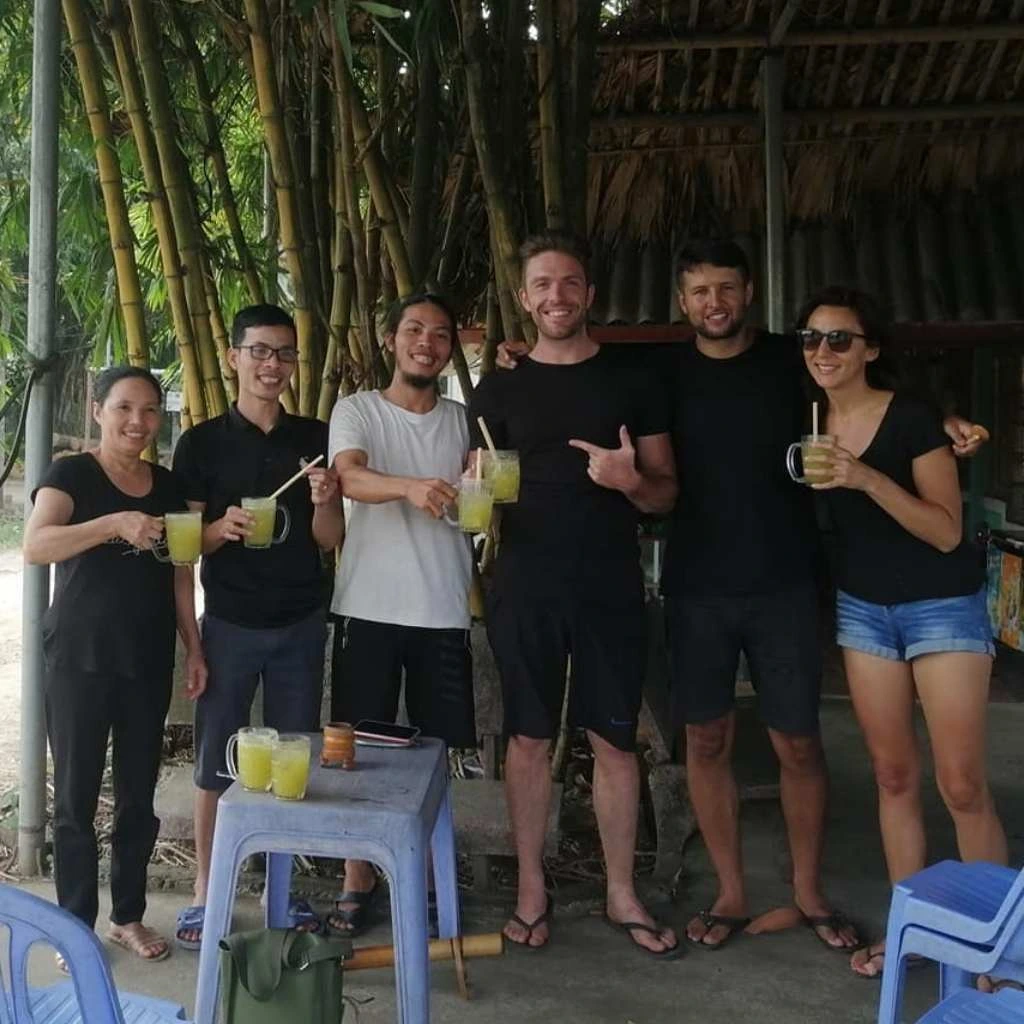
Because the team is small, the money stays local. Because the tools are basic, the energy footprint of production is low. Because the bamboo grows nearby, there is no need to transport raw materials over long distances. And because the people doing the work are trained and paid fairly, their skills pass on to the next generation instead of disappearing.
Jungle Culture works hard to keep it that way. Its team continues to visit its partner workshops, check working conditions and make sure everything is produced fairly and with as little waste as possible. As the brand puts it, nothing is imported, nothing puts a strain on the planet and every sale benefits local communities.

The popularity of the cutlery shows that conscious shopping can work at scale. The sets have been international best-sellers on Etsy and have appeared in gift guides in national newspapers, including The Sun’s Fabulous magazine. Despite that success, the brand has stayed committed to overseeing production and making sure every utensil is made ethically and meets its quality standards.
Caring for your bamboo cutlery
To get the most from your set, a few simple habits make a big difference:
- Wash by hand with warm water and a little mild soap after each use.
- Dry thoroughly before putting it back in the pouch, since bamboo doesn’t like to stay wet.
- Avoid soaking and avoid the dishwasher, as heat and long exposure to water can cause cracking.
- Use the straw brush to keep the bamboo straw clean inside.
- Store it dry in its pouch, ready for next time.
Jungle Culture also has dedicated guides on how to clean bamboo cutlery, how long it lasts and whether it can be recycled, which are worth reading if you want to go deeper.
Bamboo cutlery for businesses, events and gifts
Jungle Culture’s bamboo cutlery isn’t just for individuals. The sets are available wholesale to zero waste and organic shops around the world, and the brand also offers customisable cutlery for events, weddings and festivals.
If you’re hosting a plastic-free event, the UK-based design team can help create personalised, custom-branded sets, with lead times of 5 to 7 days once a design has been approved. They also make thoughtful, sustainable gifts: useful, beautiful and with a story attached.
Giving back: 1% for the Planet
Jungle Culture is an accredited member of 1% for the Planet, which means 1% of its total sales goes to charities and non-profits working on environmental restoration. The brand donates to different organisations each year and doesn’t take a profit on products made for charity auctions and fundraisers, only covering its costs. It’s a small but meaningful extra: the cutlery in your bag supports fair work in Vietnam and helps fund environmental projects too.
Frequently asked questions
Where is Jungle Culture’s bamboo cutlery made? It is hand carved in a small carpentry studio in Thanh Hóa Province in northern Vietnam, around 150 km from Hanoi.
Who makes the cutlery? A small team of local artisans led by Há, who has worked with bamboo his entire life. He employs between 5 and 10 people and trains family, friends and neighbours in the craft.
Is the bamboo cutlery really plastic-free? Yes. The utensils are made from natural bamboo, and the sets are dispatched zero waste with no unnecessary packaging and no plastic.
What comes in a set? A bamboo fork, knife, spoon, straw and straw cleaning brush, together with a reusable pouch.
Is it safe to eat with? Jungle Culture describes its cutlery as organic, chemical-free and food-contact safe. As with any product, always follow the care instructions.
How long does bamboo cutlery last? With proper care, such as hand washing and thorough drying, it can last for years.
Can I get custom-branded cutlery? Yes. Jungle Culture offers custom-branded sets for businesses, weddings and events, with lead times of 5 to 7 days after design approval.
A better way to eat on the go
A bamboo fork might seem like a very small thing. But behind every Jungle Culture set is a mountain province in northern Vietnam, a village of bamboo bungalows, a craftsman who has worked with bamboo all his life and a team of people who are paid fairly to carve each piece by hand.
That’s what makes this bamboo cutlery from Vietnam special. It isn’t just a plastic alternative, it’s a product with a story you can trace, from the mountains where the bamboo grows to the pouch in your bag.
If you’re ready to make the swap, you can find Jungle Culture’s handmade bamboo cutlery sets in our shop. Start with one set, carry it everywhere, and say no to a few hundred pieces of single-use plastic along the way.

